# Module 17: Niches and species distribution

<div id="bkmrk-mod-17%3A-niches-and-s"><span style="font-weight: bold;">Mod 17: niches and species distribution </span>  
</div>Check this out:

<div class="sandbox" id="bkmrk--1"><div id="bkmrk--2"><div id="bkmrk--3"><div><div class="container"><div class="frontside"><div class="iframe">![](http://physics.hpa.edu/groups/apenvironmentalscience/weblog/8d560/images/50f03.png "Screen Shot 2017-09-30 at 3.44.57 PM.png")</div></div></div></div></div></div></div>You'll see another like this in population distributions...<div id="bkmrk-range-of-tolerance-w"><div>

- <span style="font-weight: bold;">Range of tolerance</span>-where it can survive
- <span style="font-weight: bold;">Fundamental niche</span>-happy place
- <span style="font-weight: bold;">Realized niche</span>-de facto place
- <span style="font-weight: bold;">Distribution</span>-areas where they live (we'll see more of this in the chapter on population distributions: random, scattered, patterned)
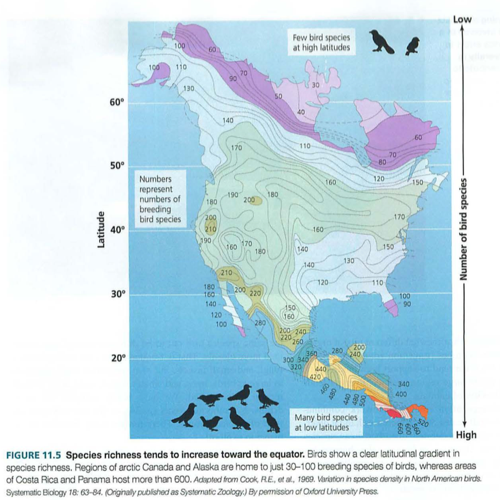
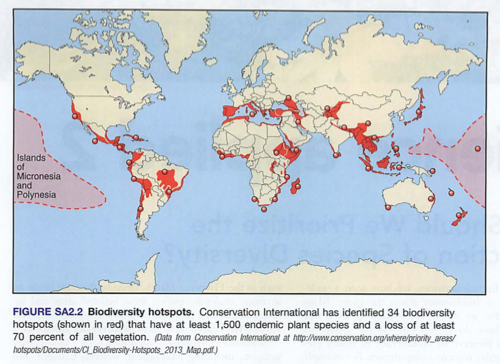
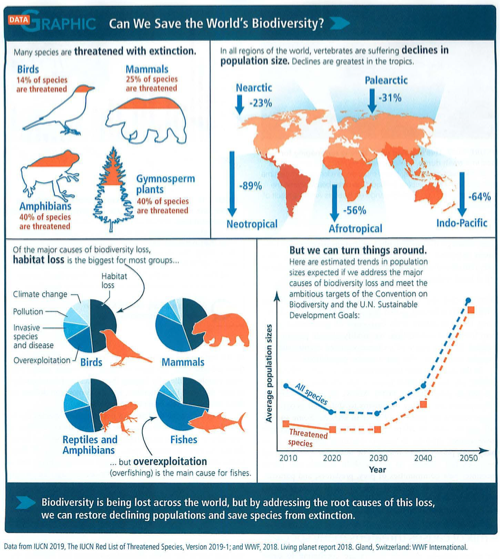
- <span style="font-weight: bold;">Global Biodiversity:</span>Note biodiversity increases closer to the equator:<div class="sandbox" id="bkmrk--4"><div id="bkmrk--5"><div id="bkmrk--6"><div><div class="container"><div class="frontside"><div class="iframe">![](http://physics.hpa.edu/groups/apenvironmentalscience/weblog/e8b6d/images/__thumbs__/6b01e.png)</div></div></div></div></div></div></div>

</div><div><div class="sandbox" id="bkmrk--7"><div id="bkmrk--8"><div id="bkmrk--9"><div><div class="container"><div class="frontside"><div class="iframe">![](http://physics.hpa.edu/groups/apenvironmentalscience/weblog/e8b6d/images/__thumbs__/264c4.png)</div></div></div></div></div></div></div>  
  
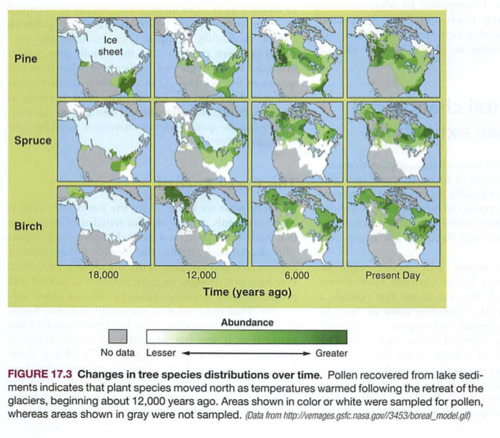
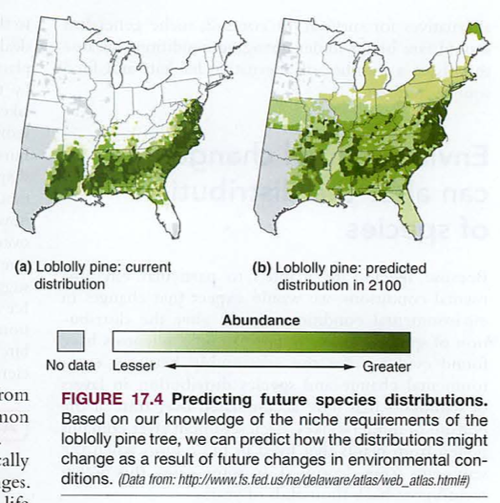
Global warming and biodiversity:<div class="sandbox" id="bkmrk--10"><div id="bkmrk--11"><div id="bkmrk--12"><div><div class="container"><div class="frontside"><div class="iframe">![](http://physics.hpa.edu/groups/apenvironmentalscience/weblog/e8b6d/images/__thumbs__/504ea.png)</div></div></div></div></div></div></div>  
<div class="sandbox" id="bkmrk--13"><div id="bkmrk--14"><div id="bkmrk--15"><div><div class="container"><div class="frontside"><div class="iframe">![](http://physics.hpa.edu/groups/apenvironmentalscience/weblog/e8b6d/images/__thumbs__/9c16d.png)</div></div></div></div></div></div></div>  
  
  
Alternates to low biodiversity food sources (e.g. monoculture):  
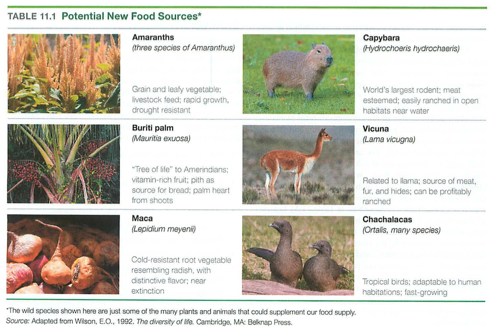
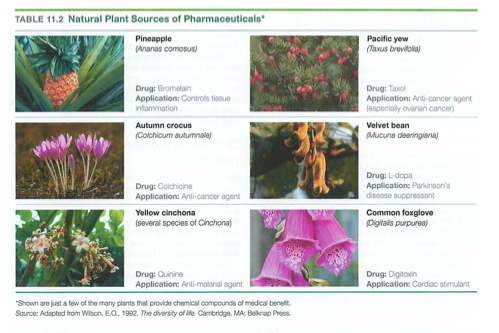
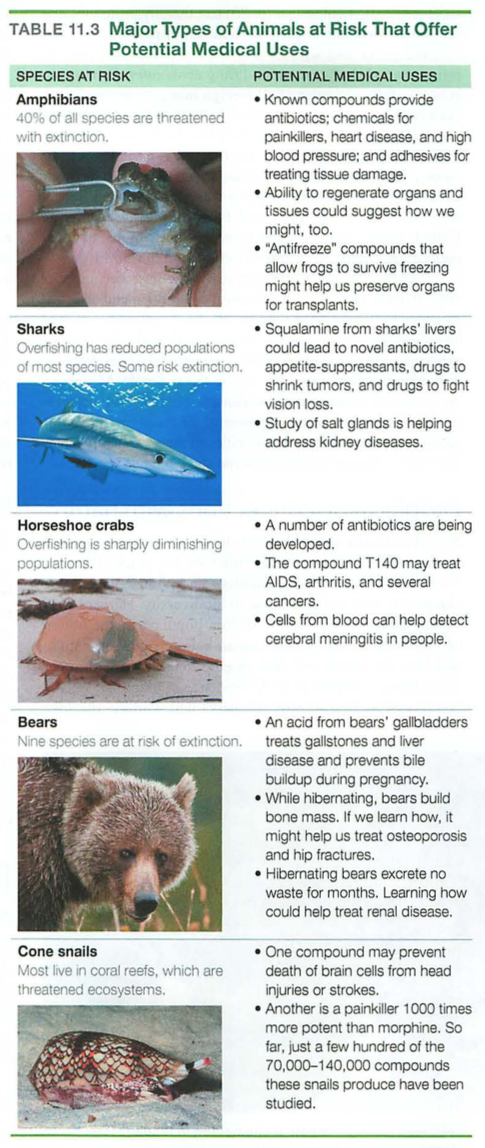
<div class="sandbox" id="bkmrk--16"><div id="bkmrk--17"><div id="bkmrk--18"><div><div class="container"><div class="frontside"><div class="iframe">![](http://physics.hpa.edu/groups/apenvironmentalscience/weblog/e8b6d/images/__thumbs__/372b9.png)</div></div></div></div></div></div></div>Biodiversity benefits:  
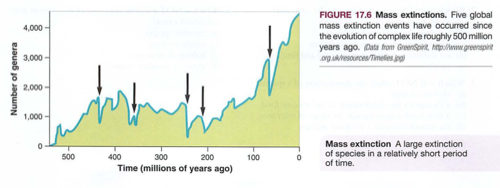
<div class="sandbox" id="bkmrk--19"><div id="bkmrk--20"><div id="bkmrk--21"><div><div class="container"><div class="frontside"><div class="iframe">![](http://physics.hpa.edu/groups/apenvironmentalscience/weblog/e8b6d/images/__thumbs__/2e63a.png)</div></div></div></div></div></div></div><div class="sandbox" id="bkmrk--22"><div id="bkmrk--23"><div id="bkmrk--24"><div><div class="container"><div class="frontside"><div class="iframe">![](http://physics.hpa.edu/groups/apenvironmentalscience/weblog/e8b6d/images/565a8.png "Screen Shot 2021-10-11 at 4.32.10 PM.png")</div></div></div></div></div></div></div>Major extinctions leading to the 6th anthropocene (man caused) exctinction:  
<div class="sandbox" id="bkmrk--25"><div id="bkmrk--26"><div id="bkmrk--27"><div><div class="container"><div class="frontside"><div class="iframe">![](http://physics.hpa.edu/groups/apenvironmentalscience/weblog/e8b6d/images/__thumbs__/5090d.png)</div></div></div></div></div></div></div>  
<div class="sandbox" id="bkmrk--28"><div id="bkmrk--29"><div id="bkmrk--30"><div><div class="container"><div class="frontside"><div class="iframe">![](http://physics.hpa.edu/groups/apenvironmentalscience/weblog/e8b6d/images/__thumbs__/eb9db.png)</div></div></div></div></div></div></div>  
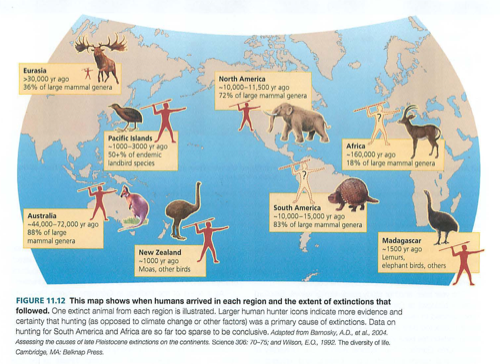
Past human impact:  
  
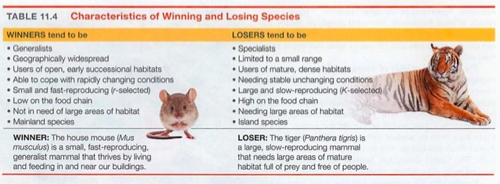
<div class="sandbox" id="bkmrk--31"><div id="bkmrk--32"><div id="bkmrk--33"><div><div class="container"><div class="frontside"><div class="iframe">![](http://physics.hpa.edu/groups/apenvironmentalscience/weblog/e8b6d/images/__thumbs__/746e2.png)</div></div></div></div></div></div></div>Invasive species:  
<div class="sandbox" id="bkmrk--34"><div id="bkmrk--35"><div id="bkmrk--36"><div><div class="container"><div class="frontside"><div class="iframe">![](http://physics.hpa.edu/groups/apenvironmentalscience/weblog/e8b6d/images/__thumbs__/accfd.png)</div></div></div></div></div></div></div>  
  
<div class="sandbox" id="bkmrk--37"><div id="bkmrk--38"><div id="bkmrk--39"><div><div class="container"><div class="frontside"><div class="iframe">![](http://physics.hpa.edu/groups/apenvironmentalscience/weblog/e8b6d/images/__thumbs__/6014f.png)</div></div></div></div></div></div></div><div class="sandbox" id="bkmrk--40"><div id="bkmrk--41"><div id="bkmrk--42"><div><div class="container"><div class="frontside"><div class="iframe">![](http://physics.hpa.edu/groups/apenvironmentalscience/weblog/e8b6d/images/__thumbs__/10d1f.jpeg)</div></div></div></div></div></div></div>  
  
  
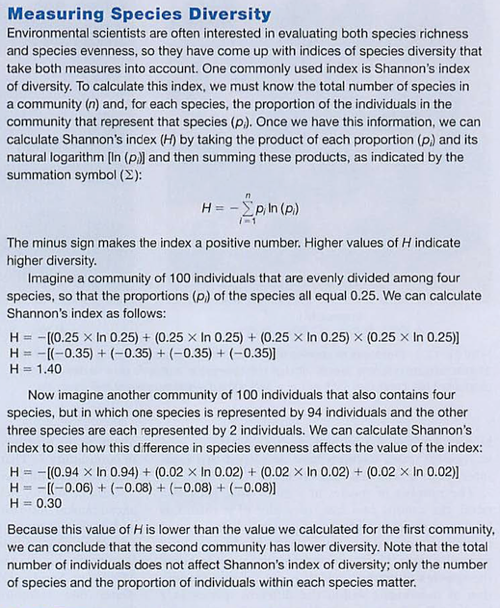
We can calculate biodiversity: <div class="sandbox" id="bkmrk--43"><div id="bkmrk--44"><div id="bkmrk--45"><div><div class="container"><div class="frontside"><div class="iframe">![](http://physics.hpa.edu/groups/apenvironmentalscience/weblog/8d560/images/__thumbs__/6446f.png)</div></div></div></div></div></div></div>  
<span style="font-weight: bold;">Lab</span>: Calculating Shannon's index, using baked goldfish (the cheddar kind, not the ones that stink)

1. wash your hands
2. pour out a random number of different colored goldfish on your plate (your "pond")
3. determine the number of distinct populations by color, using chopsticks
4. determine the proportion for each population (e.g. 5 red ones out of 20 total would be 5/20 or 0.25)
5. calculate Shannon's index (H) for this "pond"
6. repeat the experiment with a very low biodiversity, calculate H
7. repeat with a very high biodiversity, calculate H
8. eat the contents of your "pond", representing a catastrophic event

<span style="font-weight: bold;">Questions</span>:

1. what is the value of biodiversity in any community?
2. what are the benefits and drawbacks of a low biodiversity?
3. how does this play into competition (next chapter)
4. why is it important to determine the number of "distinct populations"?
5. what is the impact of this on a human population, e.g. the census?

  
</div></div>---

<small>Migrated from Apple Server Wiki. Original page ID: t732f0i</small>