
24.11.14: Community ecology
Migration
Module 20: Community ecology
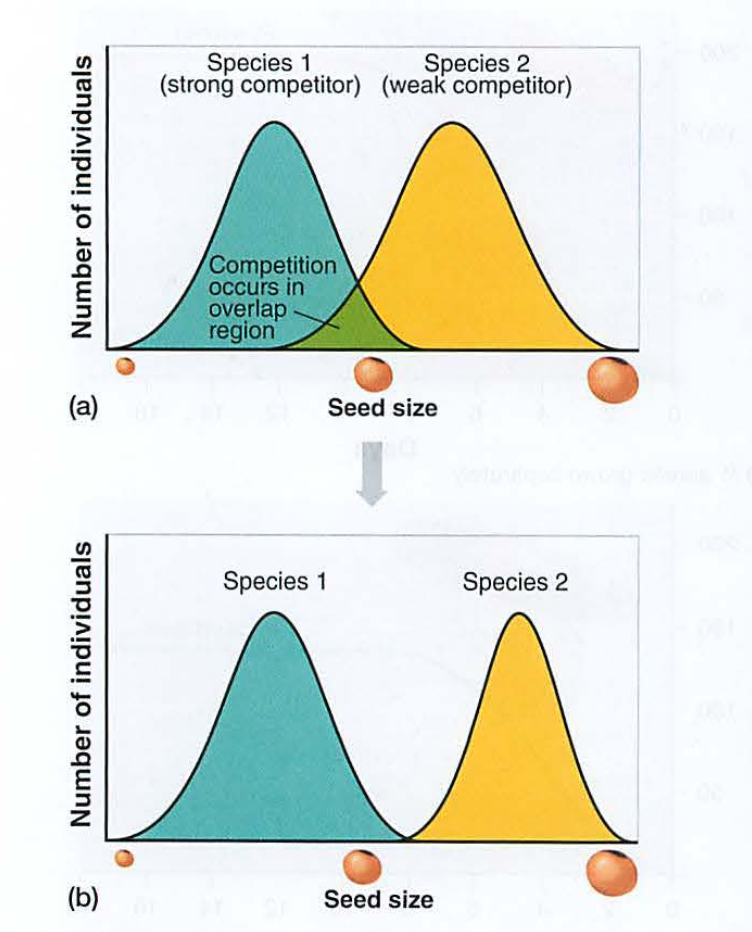
Competitive exclusion principle: two species competing for the same resources cannot co-exist, leads to...
Resource partitioning: time, space, type of food (one species picks one, the other survives)
Relationships:
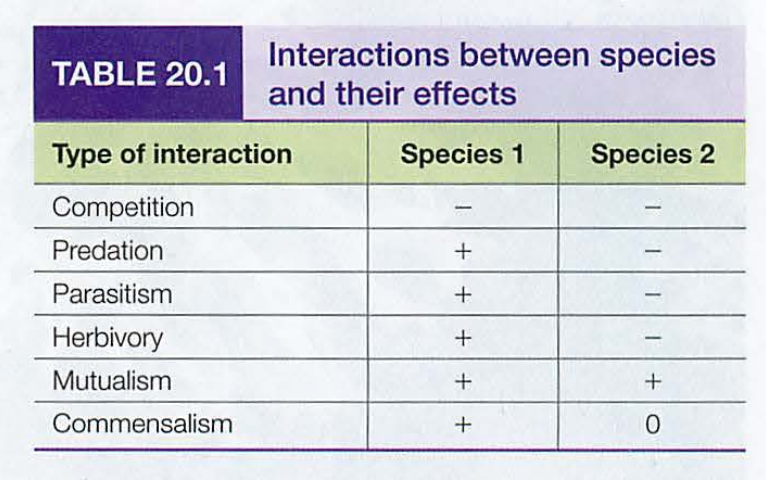
- Predation: predator and prey, one lives, the other dies
- Symbiotic:
- Mutualism: both benefit
- Commensalism: one benefits, no harm to the other
- Non-symbiotic:Parasitism: one benefits, harm to other
Review: keystone species vs. indicator species:
Keystone species-many others depend on it, removal has an impact much greater than their relative population
e.g. beavers: create habitat for others (dams), so they are also "keystone engineers", only they don't wear funny hats.
Here's what a keystone looks like:
In architecture, if you remove the keystone, the arch collapses. Cool term, right?
This is different from a capstone (seniors might like this): a capstone is what you put on top of a finished structure
Another example: "keystone predators" e.g. sea stars, which eat mussels, clearing space on rocks for other species
Indicator species-signal health of a system, like some fish or worms signify water quality, also known as "bioindicators"
Succession: one species takes over another in progresstime
Migrated from Apple WikiServer Wiki. Original page m8q1g471.ID: m8q1g471