
Module 07: movement of matter
MigrationModule 7: Movement of MatterBiogeochemical cycles: bio=life geo = minerals chemical = chemical cycle = something that rotates
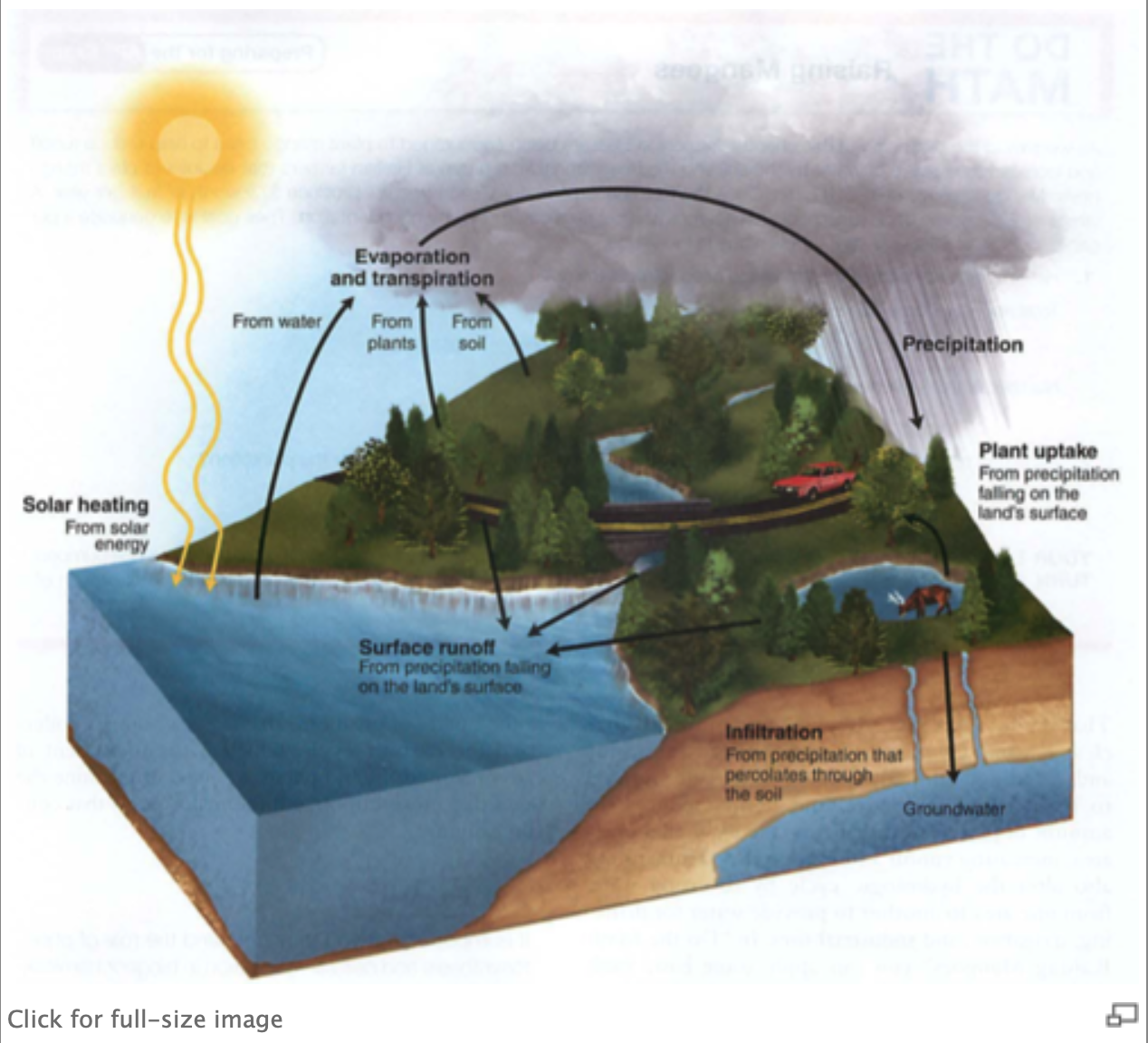
Hydrologic (water) cycle:Heat provides energy for evaporation,
Plants secrete water as transpiration,
Condensation is collection of water vapor to drops,
Precipitation is the falling of these drops as rain, snow, hail etc.
ETO evapotranspiration: amount of water moving through an ecosystem, usually plants.Farmers need to know EtO to know how much water to supply to their crops.Eto depends on sunlight, humidity, wind and temperature (think of how these impact transpiration)
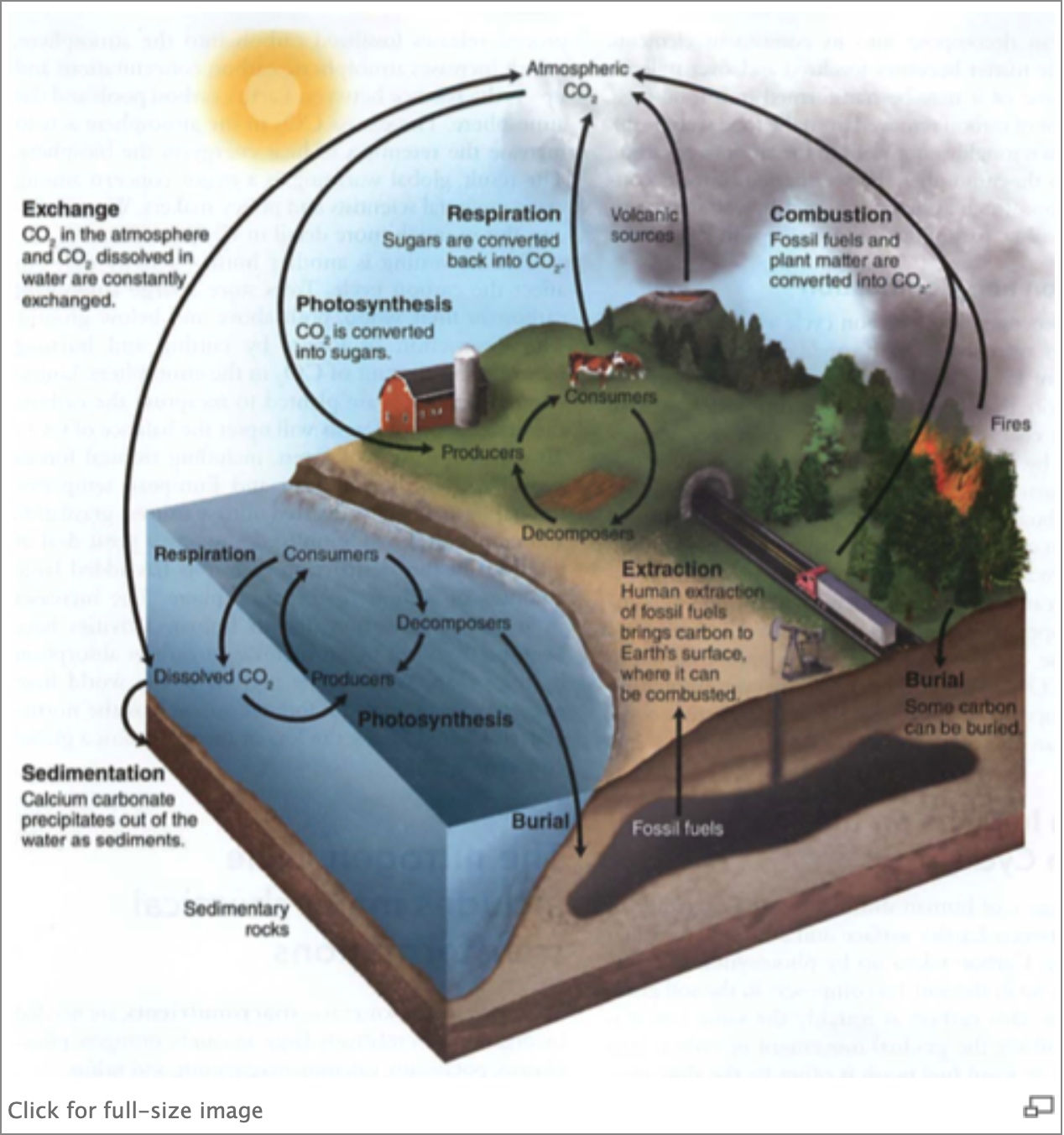
Carbon cycle: photosynthesis, respiration, exchange, sedimentation, burial, extraction, combustionair<->water<->land
photosynthesis-CO2 to sugar (air to plant structures or fruits-e.g. corn)
respiration-sugar to CO2
acidification or exchange-HCO3 (carbonic acid) e.g. seawater changing pH, remember?
sedimentation-CaCO3 (seashells, limestone) most efficient long term carbon sink (solids are dense)burial-just like it sounds, oil, coal, nat gasextraction-mining fossil fuelscombustion-burning fossil fuels with oxygen to release CO2
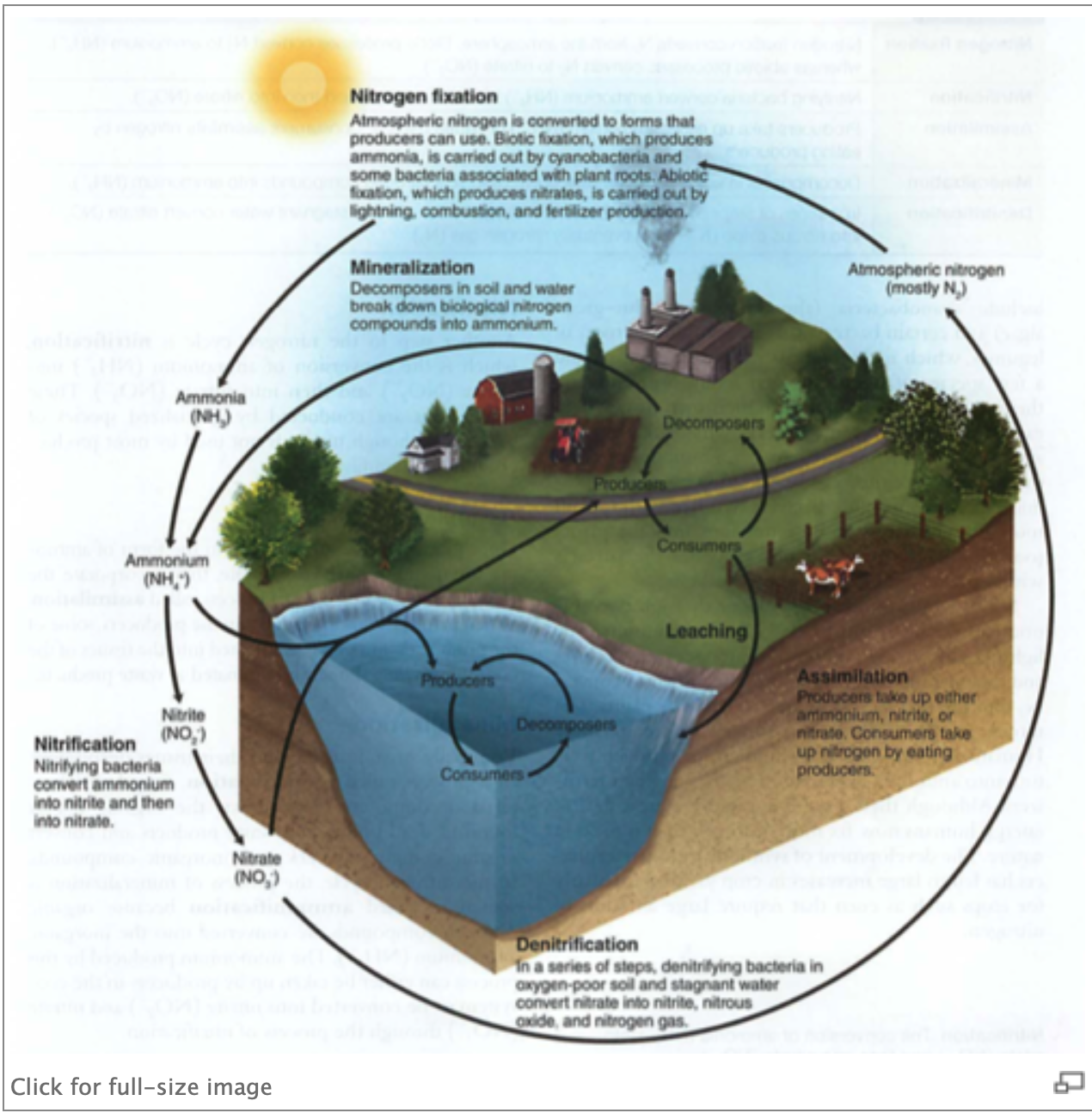
N fixation is when you can't get Nitrogen off your mind
It also means bringing N2 gas from the atmosphere into the biome, biotically or abiotically (without life)
Questions:
- Define N, P, K and how each impacts plants
- Define evapotranspiration, condensation and precipitation
- Which biogeochemical cycle only has a solid phase in the environment?
- What element replaces oxygen in chemosynthesis?
It also means bringing N2 gas from the atmosphere into the biome, biotically or abiotically (without life)
abiotic: lightning or burning fossil fuels (high temps) direct to nitrate (NO3) (that interesting smell after rainstorms)
biotic: nitrogen fixing bacteria: N2 ->NO2 ->NO3 ->NH3 ->NH4 ion (used by producers, it is aqueous)
commercial N fixation: petrochemicals to form fertilizers (NH3, anhydrous ammonia, ammonium nitrate NH4NO3, which is used in ANFO bombs)
nitrification: NH4+ ->NO2- ->NO3-nitrite kills bacteria (used in preserving meats), but nitrate is a good plant fertilizer (ANFO bombs, Beirut harbor explosion)
assimilation: producing amino acids and then proteins (chains of AA)
Dead stuff: mineralization or ammonification (dead fish smell: NH4+ and amines)
Vitamins = "vital amines"
denitrification: NO3- goes to N2O to N2 gas (anaerobic bacteria, swamps)
denitrification: NO3- goes to N2O to N2 gas (anaerobic bacteria, swamps)
Leaching: washing N out of soil
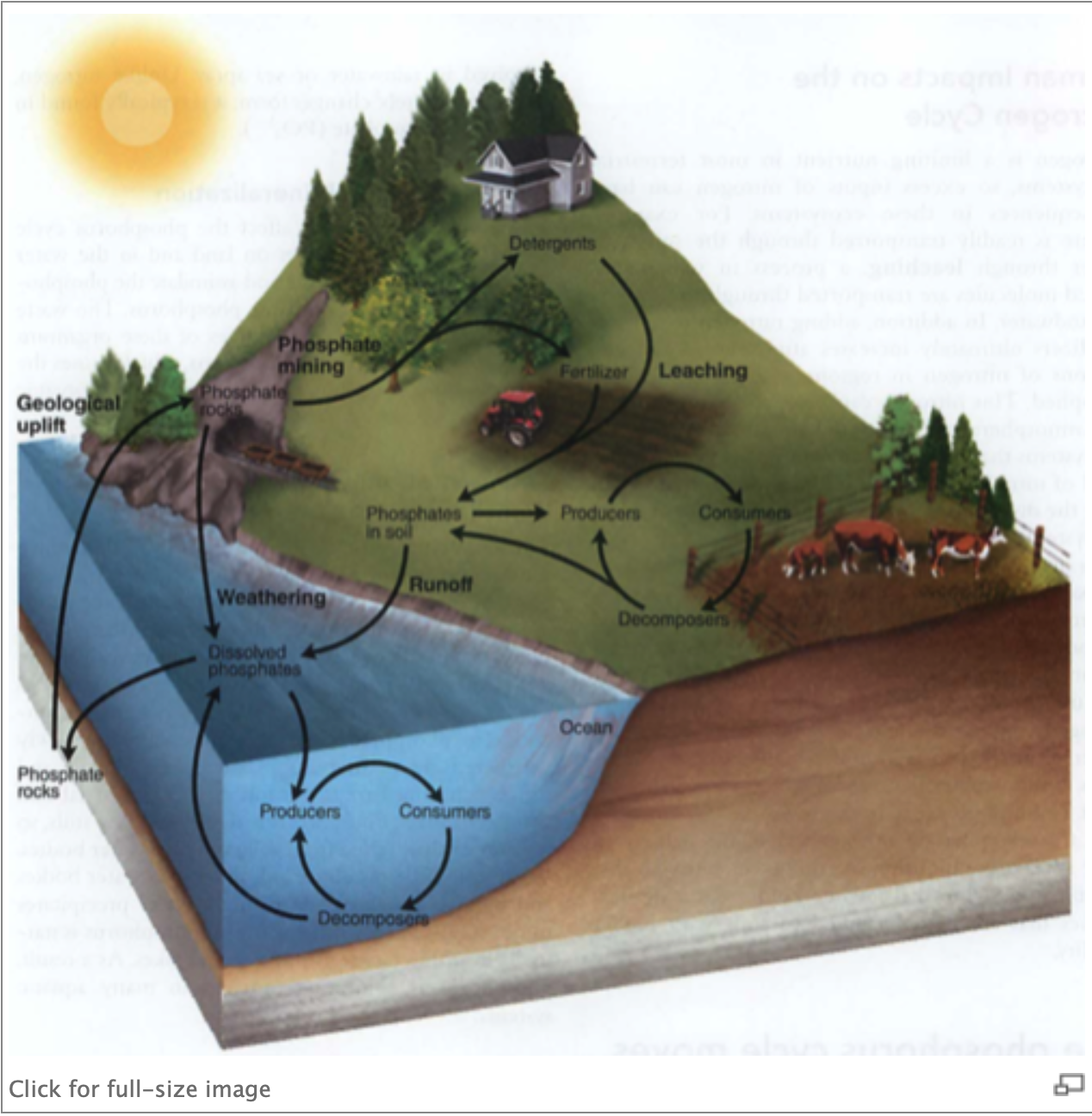
biotic: animals uptake PO4--- (see also phosphoric acid H3PO4), turn it into bones, teeth as CaPO4, then back to soil
abiotic: phosphate sediments in ocean-> become rocks, erosion on land dissolves into watershed
Humans: phosphate detergents, fertilizers (Dead zones)
Algal bloom: PO4 -> lots of algae on surface (light) -> these die, fall to the bottom, and as they decompose, they take all O2 from the water (hypoxia)Arsenic in bananas---why we cannot use greywater for irrigation
Sulfur cycle:rocks -> SO4, can become part of methionineSee also SO2 (vog, acid rain, pollution)
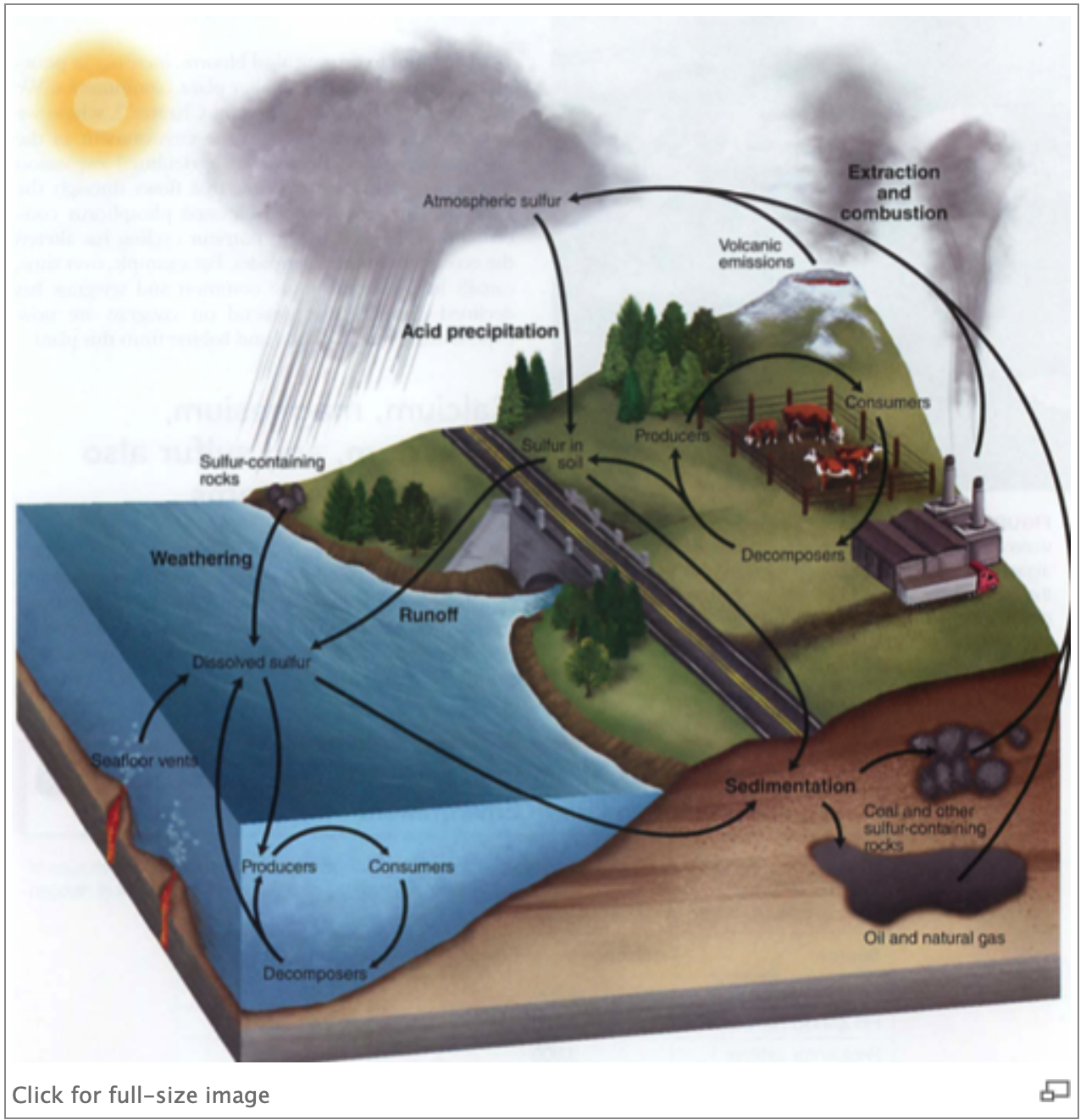
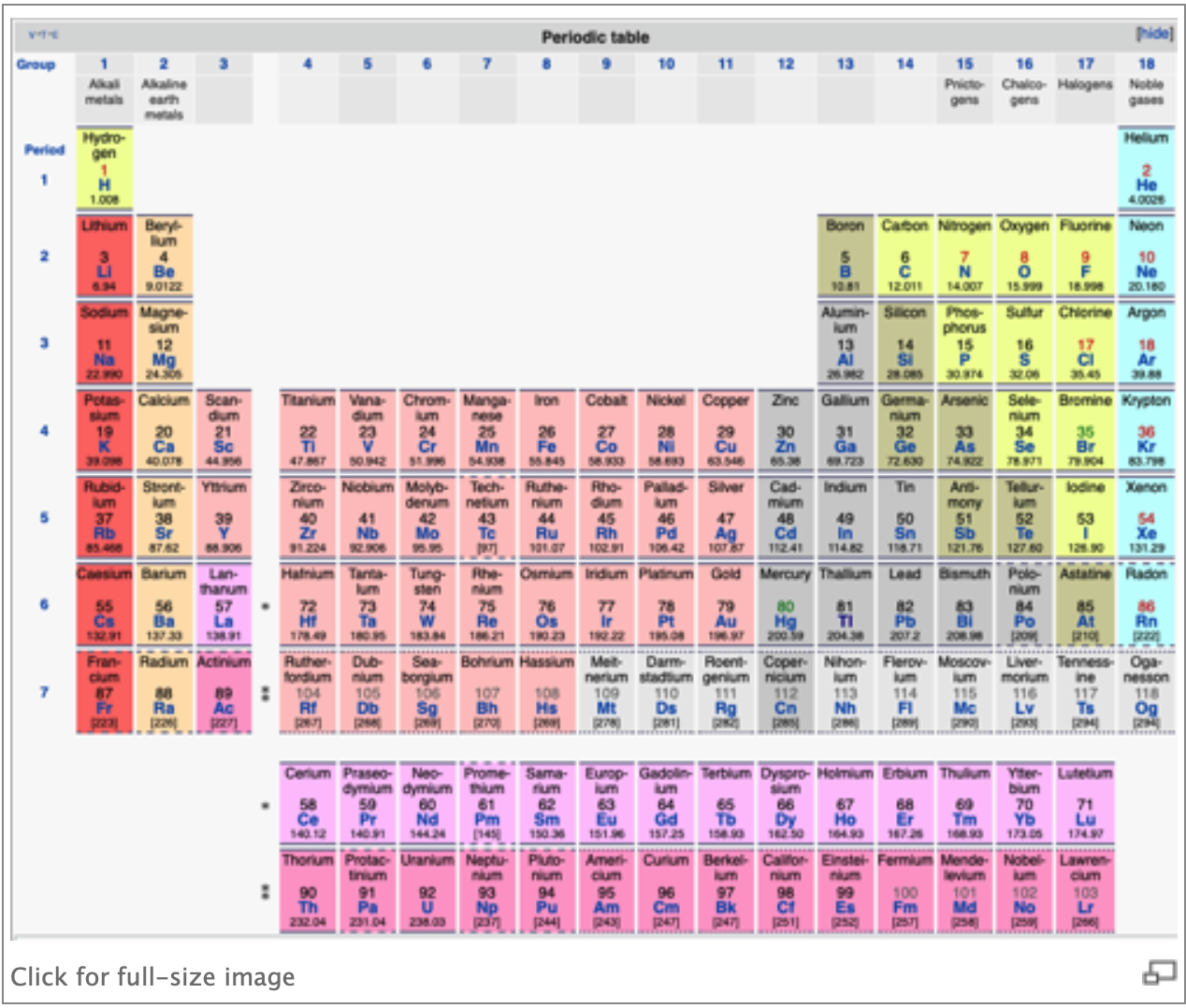
Here's something interesting:Find Sulfur below:
Migrated from Apple WikiServer Wiki. Original page b7W196.ID: b7W196