
solar build notes
Migration
Latest notes: 7.19.25:
- Assumes 5 solar hours per day at 20° latitude
- Panel options:
- <1W RAK IP66 case
- 3W RAK case, flex panel
- 6W Flex usb and Soshine 6V panel (best)
- 40W flex panel
- Case options:
- RAK prebuilt case (3W or 1W)
- IP66 plastic case
- screw on j-box (not recommended, except where tampering is possible)
- Issues:
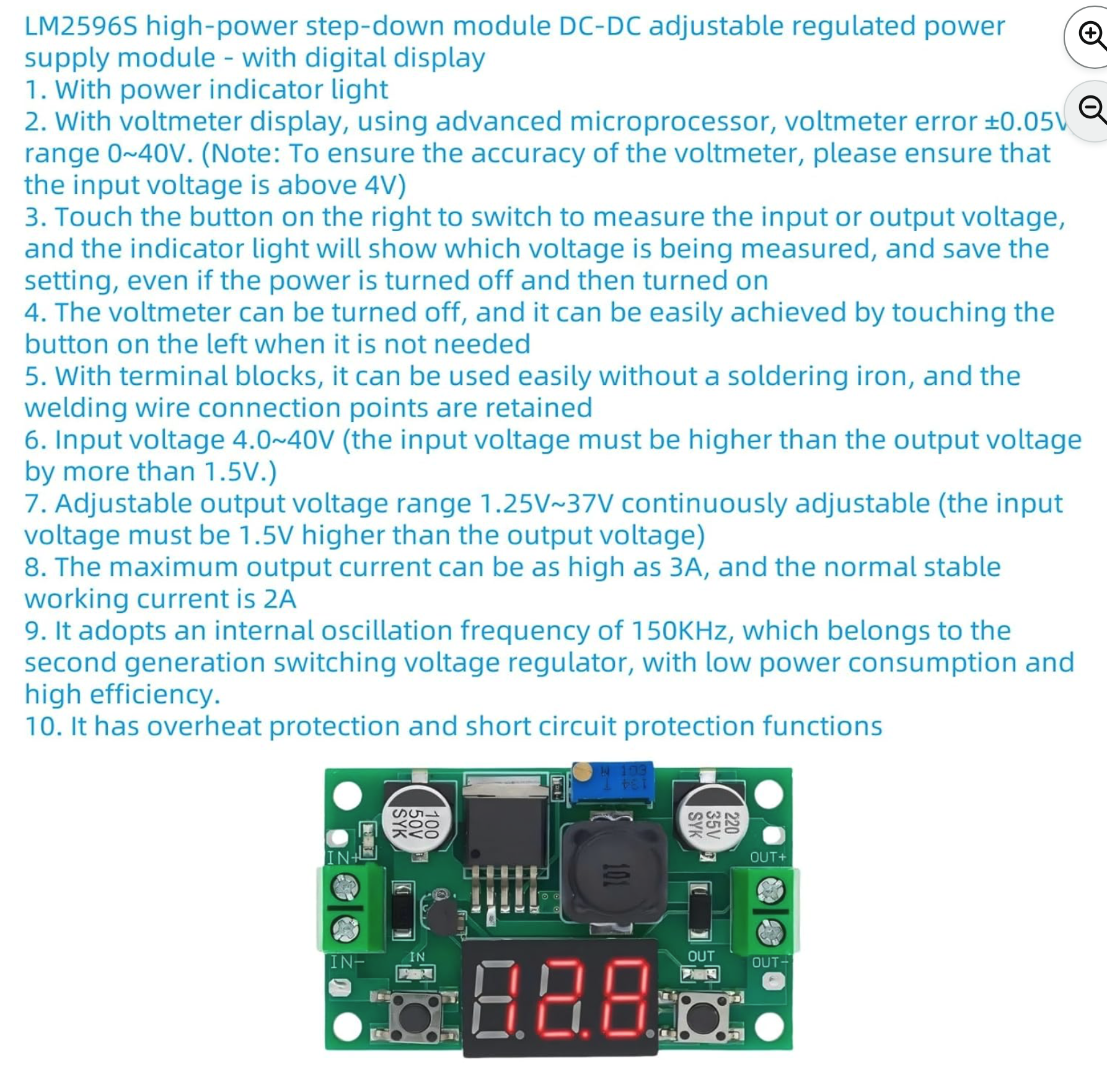
- Regulated power is critical
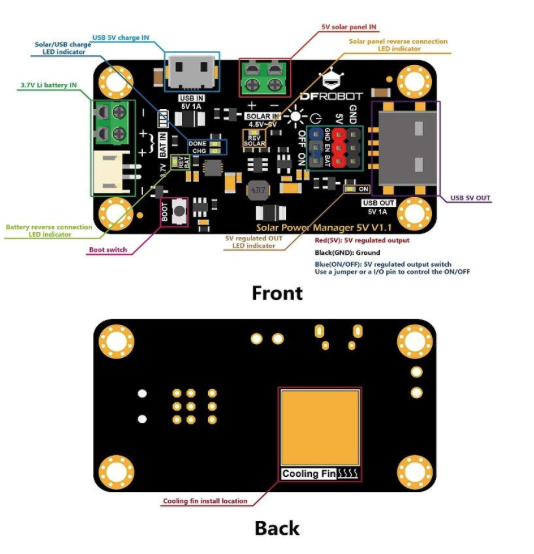
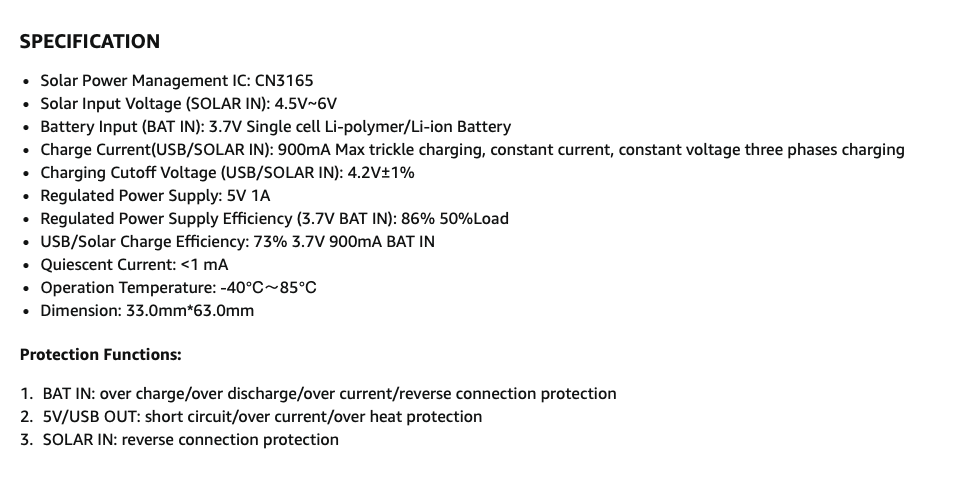
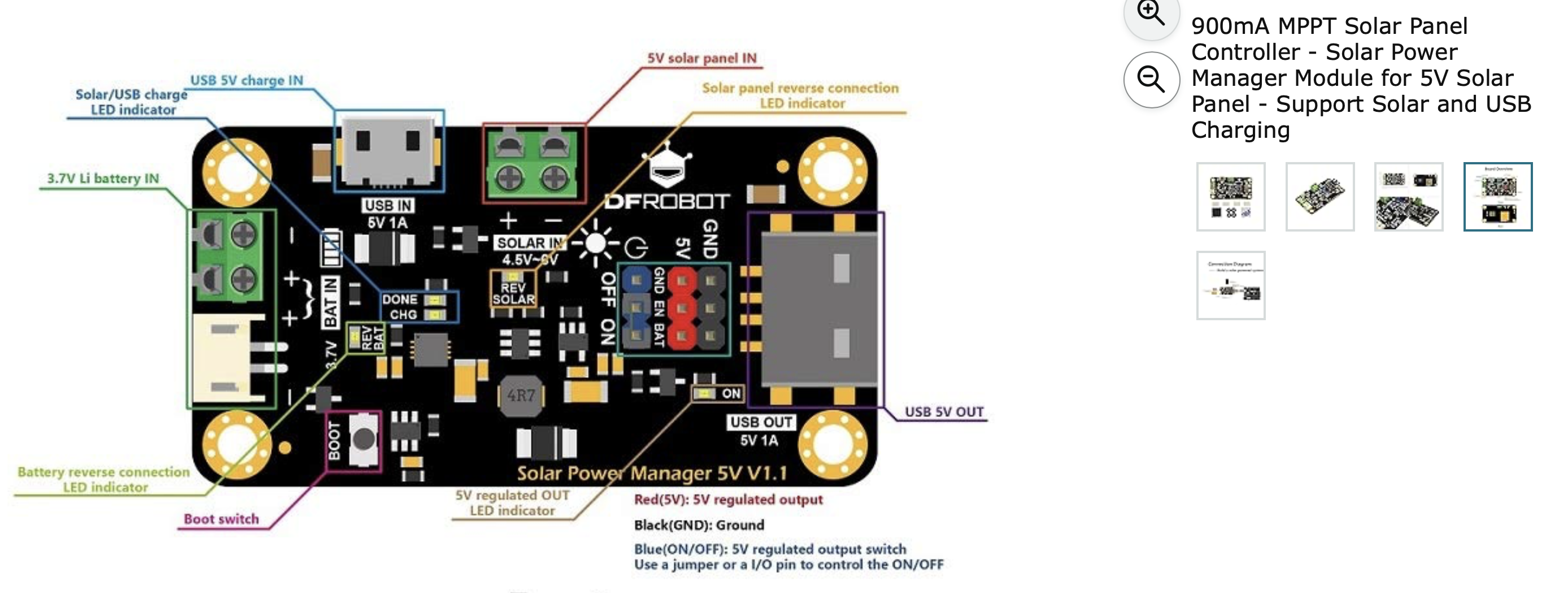
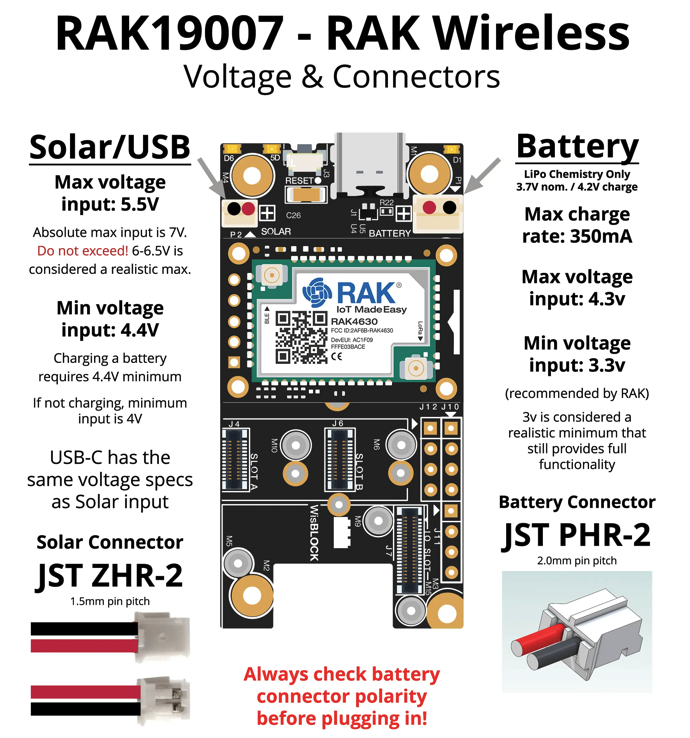
- Solar charge controller on RAK19007 can be overloaded (5.5V max)
- USB charging on ESP32 devices works most of the time, if regulated
- If USB charging is not regulated, will cause reboots
- If RAK solar charging is not regulated, unit burns out
- Cooling of CPU unit is important, build under panel where possible
- antenna connections must be sealed, and preferably not on the top
- N type antenna mounts tend to flex, breaking the seal, allowing water entry
- Antennas:
- dipole stick is best
- N type 9 dB is strongest
- stubby is minimally effective, but good for stealth
- Alfa 5 dB N type is true diple
- Batteries:
- Lipo with charge protection:
- 1100mAh is minimal
- 3000mAh is basic
- 8000mAh is extreme
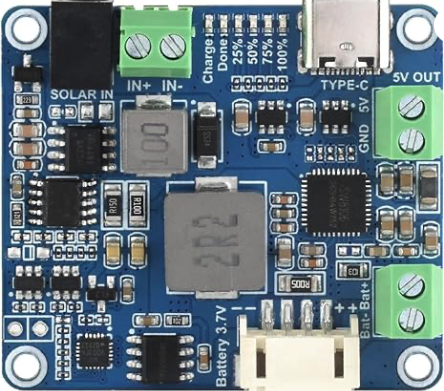
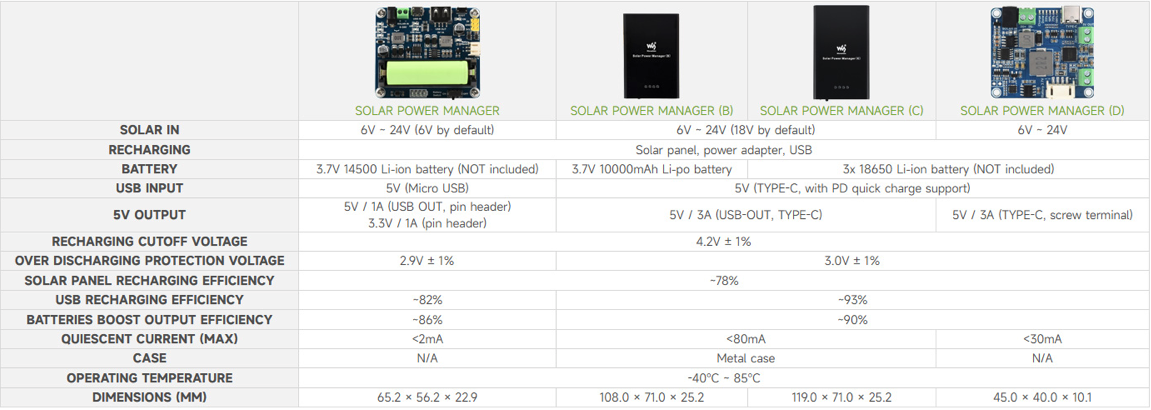
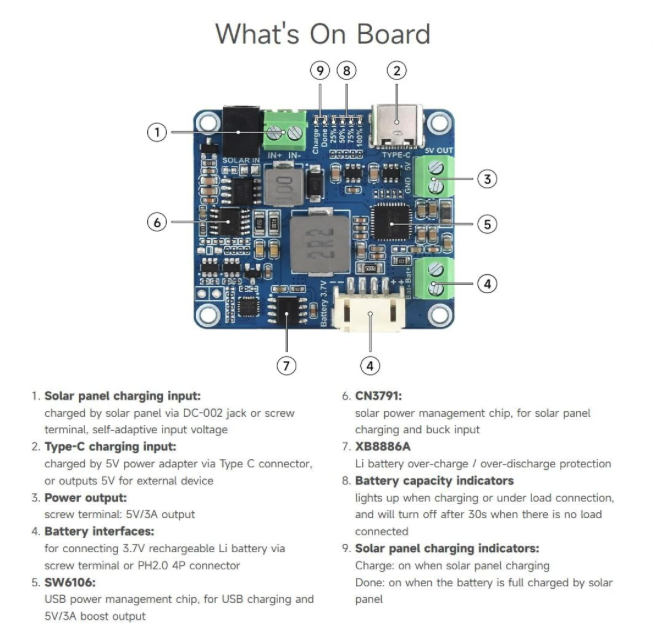
- Using 18650 batteries is great, but they need a charging module like the waveshare charging module
- 9900 mAh max so far
- 360 wh big battery
- Rates:
- At 5 solar hours, 6W panel is 30Wh
- A 3000mAH 3.7V battery is 11 Wh
- A 9900mAh 3.7V battery is 36Wh
- So…
- a single 3000mAh battery can be charged by a 2W panel
- a single 9900mAh battery can b charged by a 6W panel
- A 40W panel will charge a 50Ah battery at 3.7V
- A 40W panel at 5 hours per day is 200Wh, at 12V this is 16Ah battery
- To run overnight, loads are needed, average for RAK 19007 is about 1 mA
- 20 hours of non-solar means 20 mAh, more if GPS is activated
- More if the unit is a repeater or router, less if in client mute mode
- ESP32 models use more, about 60mA with bursts, higher if wifi is enabled (120 mA)
- Pi zero with POE and 1W meshdev unit is 2.24W at 48V
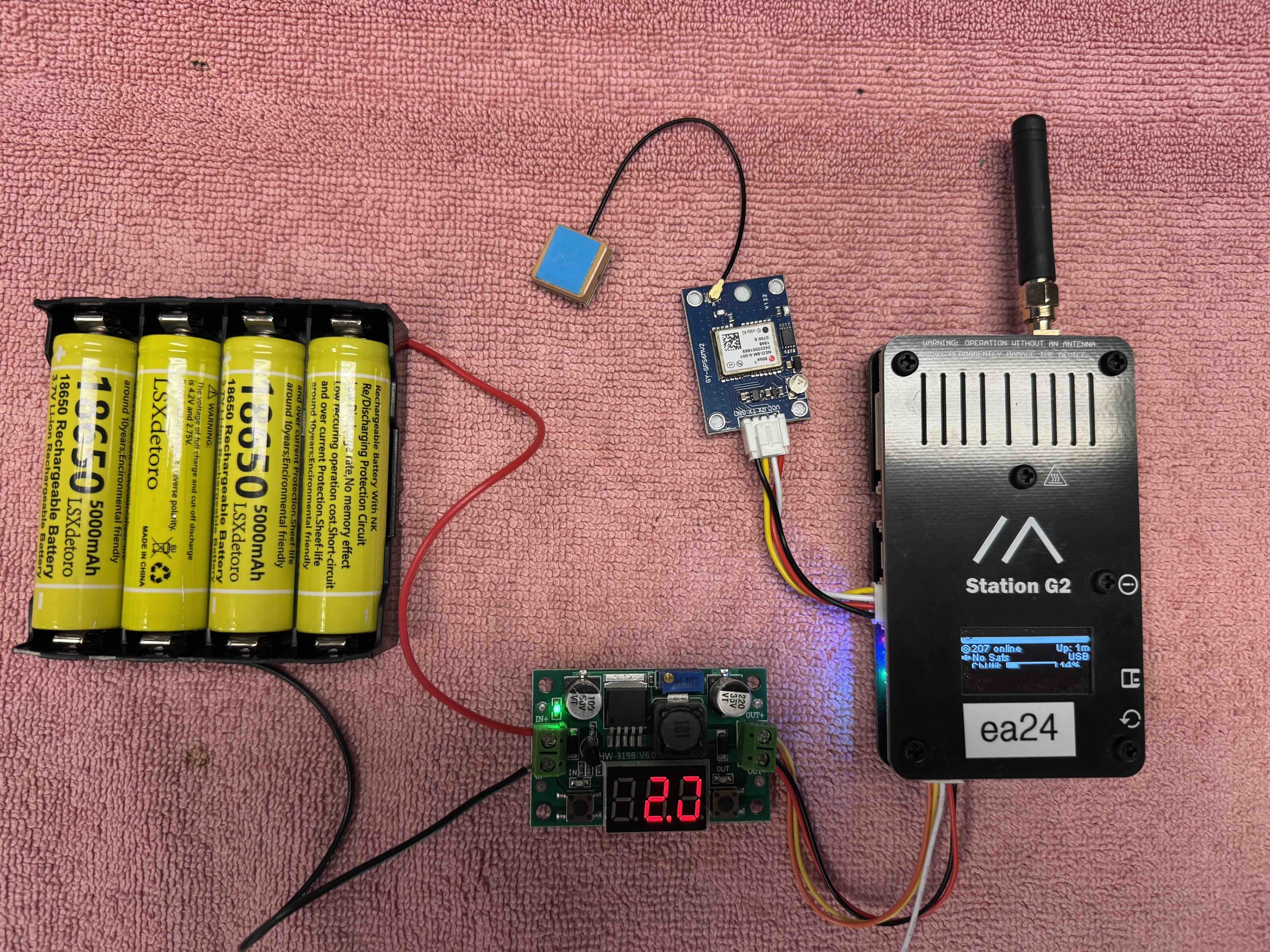
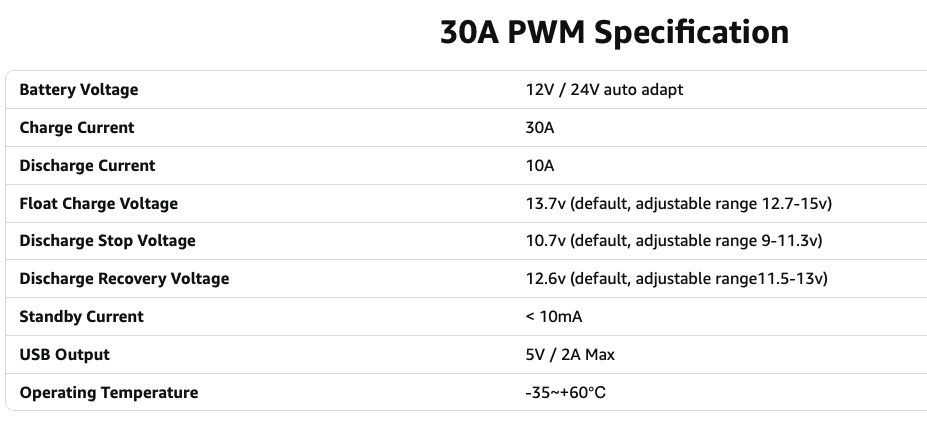
Latest (7.20.25) solar node (20W panel with charge controller charges battery bank to 16.8Vdc)
Unit is a 30dB station G2 unit using 0.08A, or about 1W DC
LVC (low voltage cutoff) is set to 10Vdc
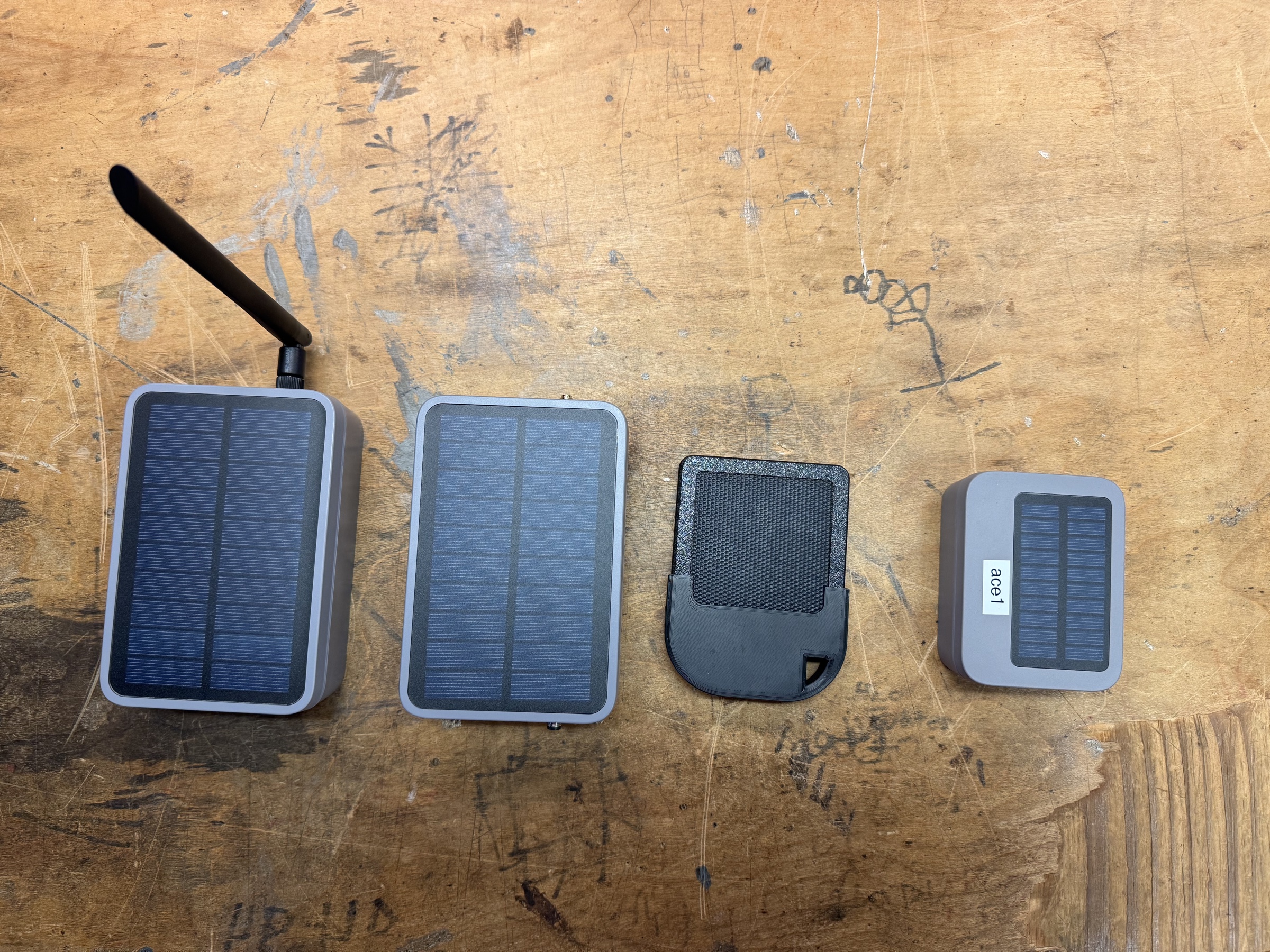
- top unit is a RAK solar unit
- next is a solar sensor unit with a fire sensor attached by port on the side
- third is a solar unit from RAK we plan on using for dashboards and emcomm
- Lower unit is waterproof and floats with internal antenna and 1100mAh battery
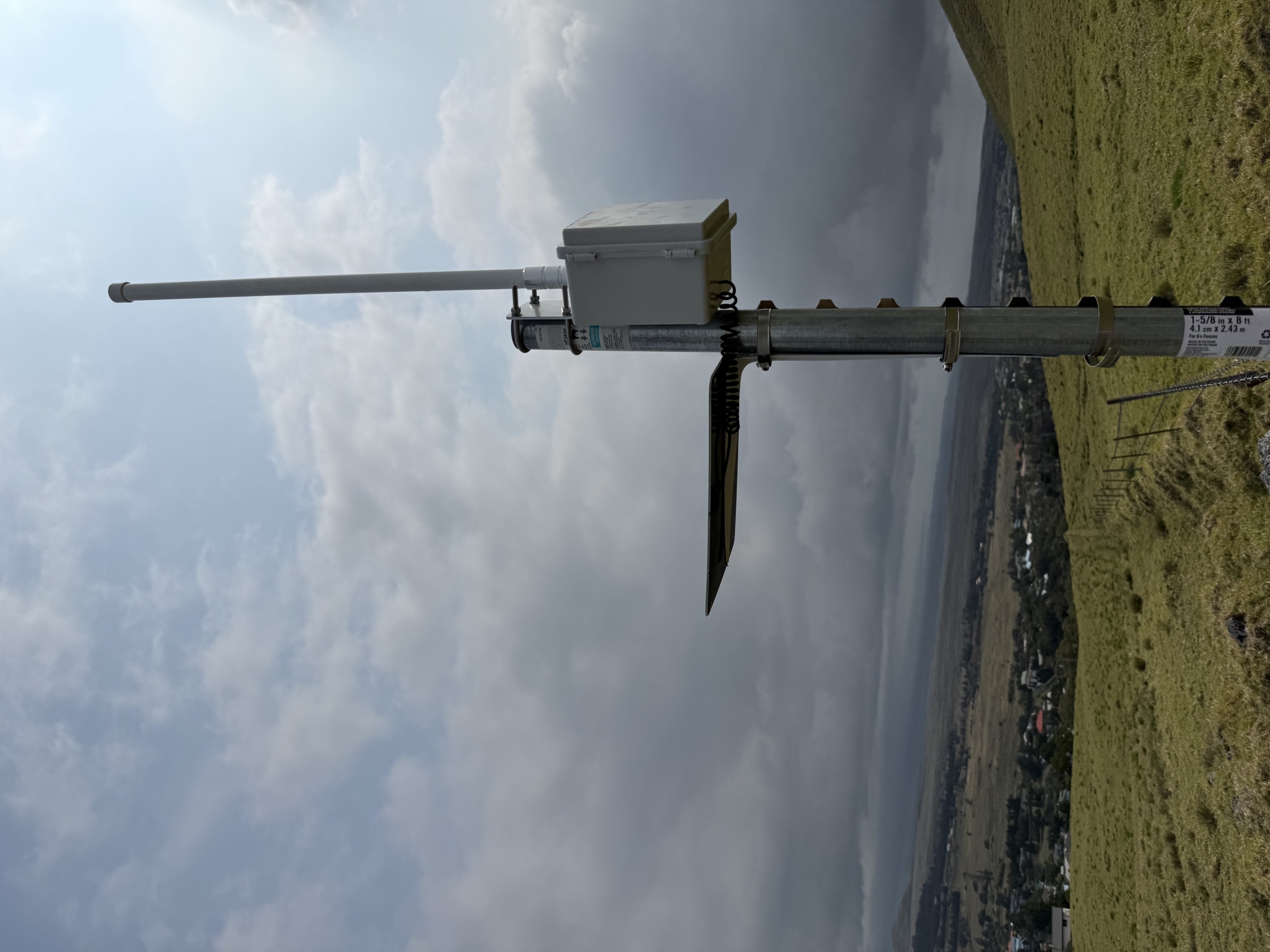
- Post mounted solar node, some use white electric fence posts
- important to keep it above animal range (cattle step on panels)
- where possible, use the solar panel to keep the instruments cooler (see below)
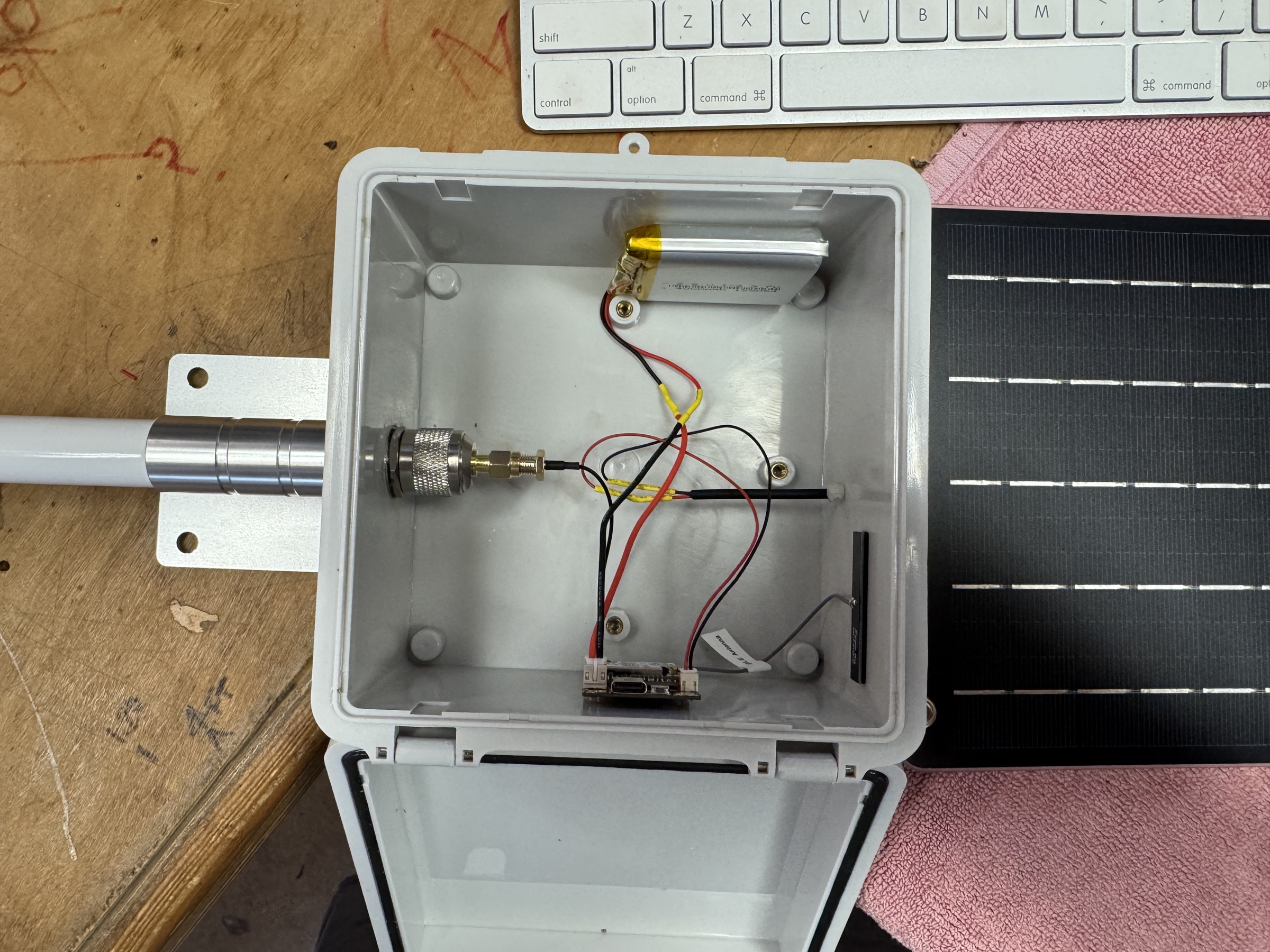
Best to keep unit->antenna link as short as possible, watch out for waterproofing where antenna enters, especially if on the top
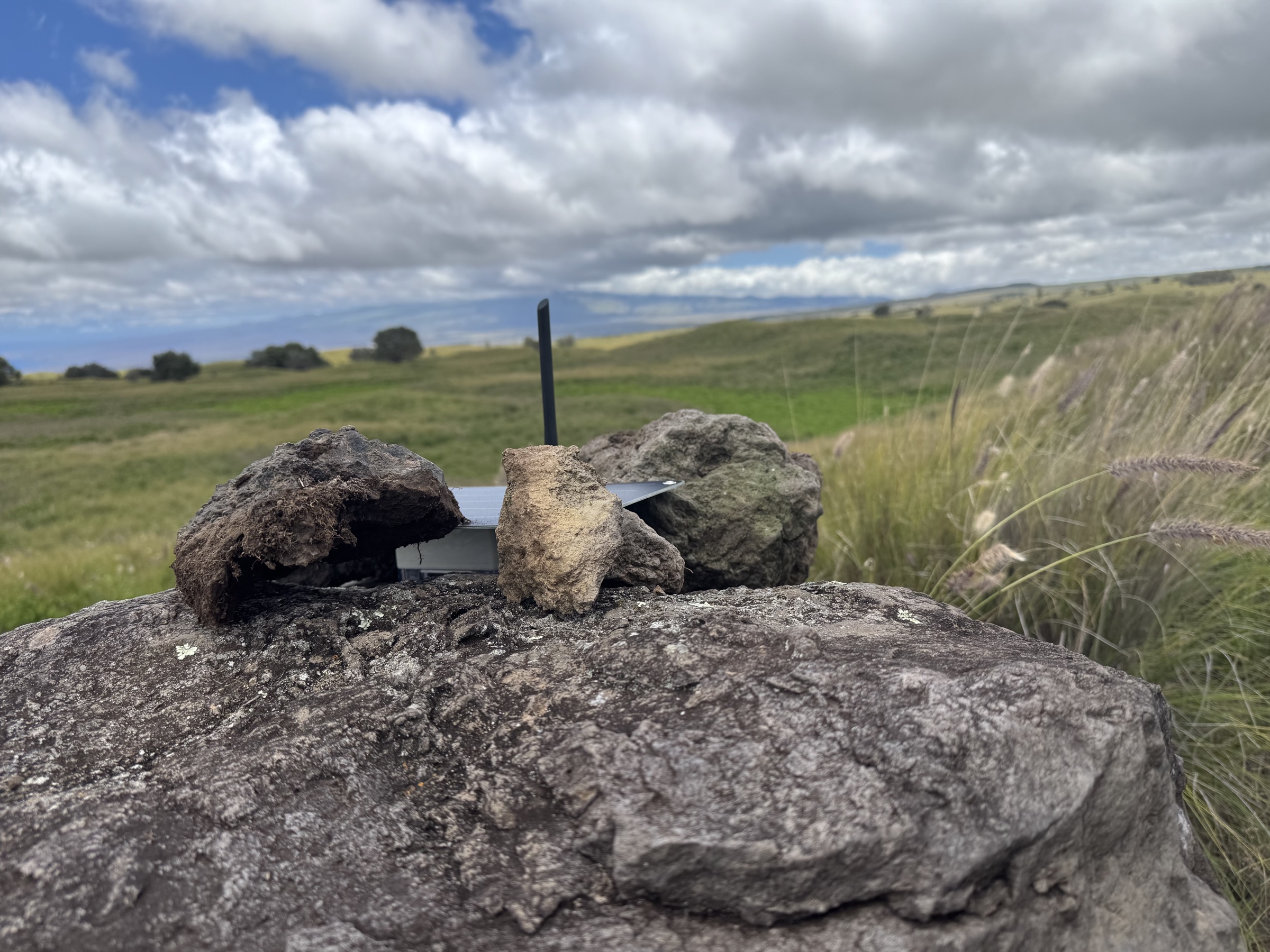
Note shading of unit with solar panel, and long line of sight (e.g. 20 miles) to next nodes
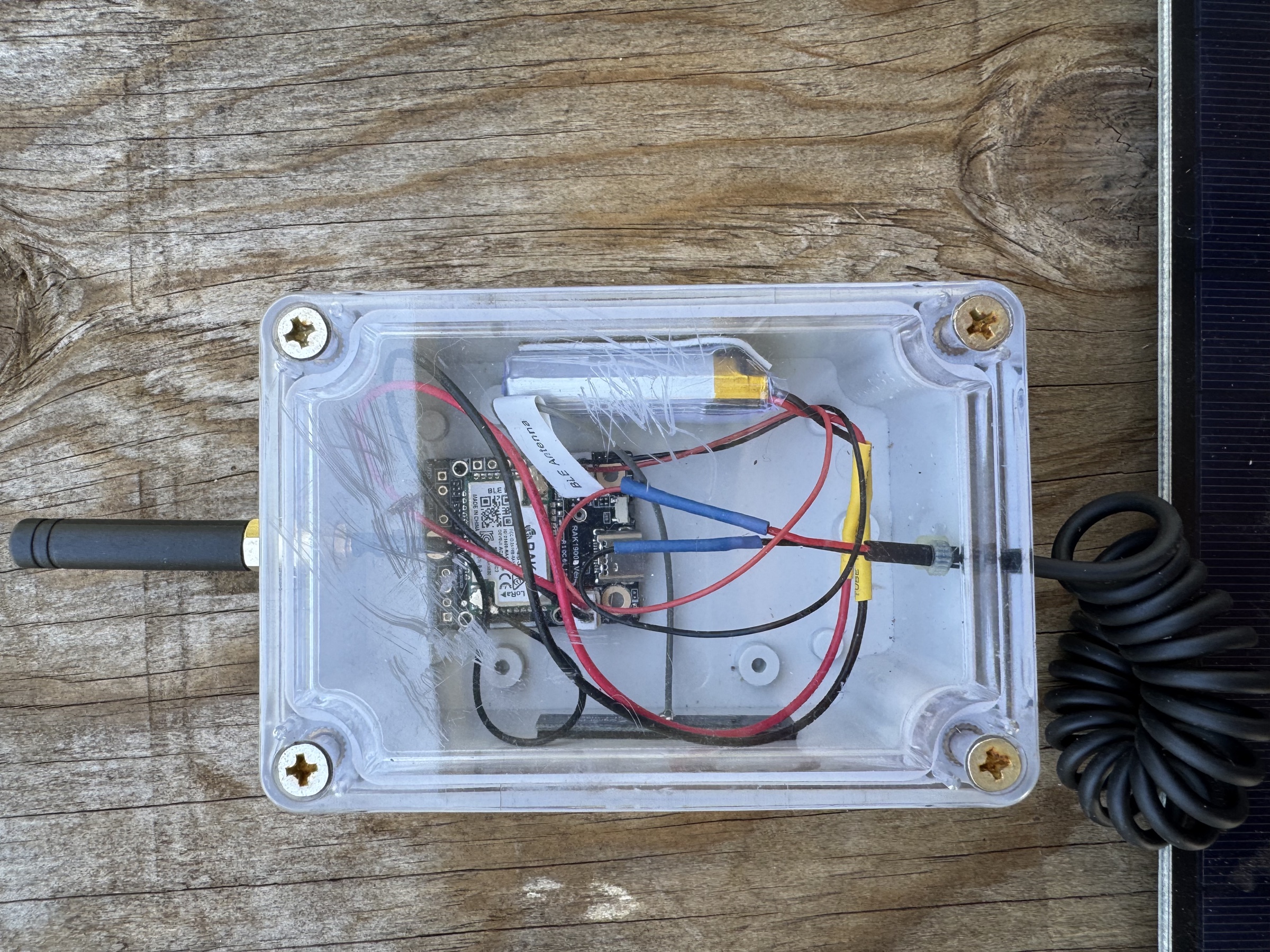
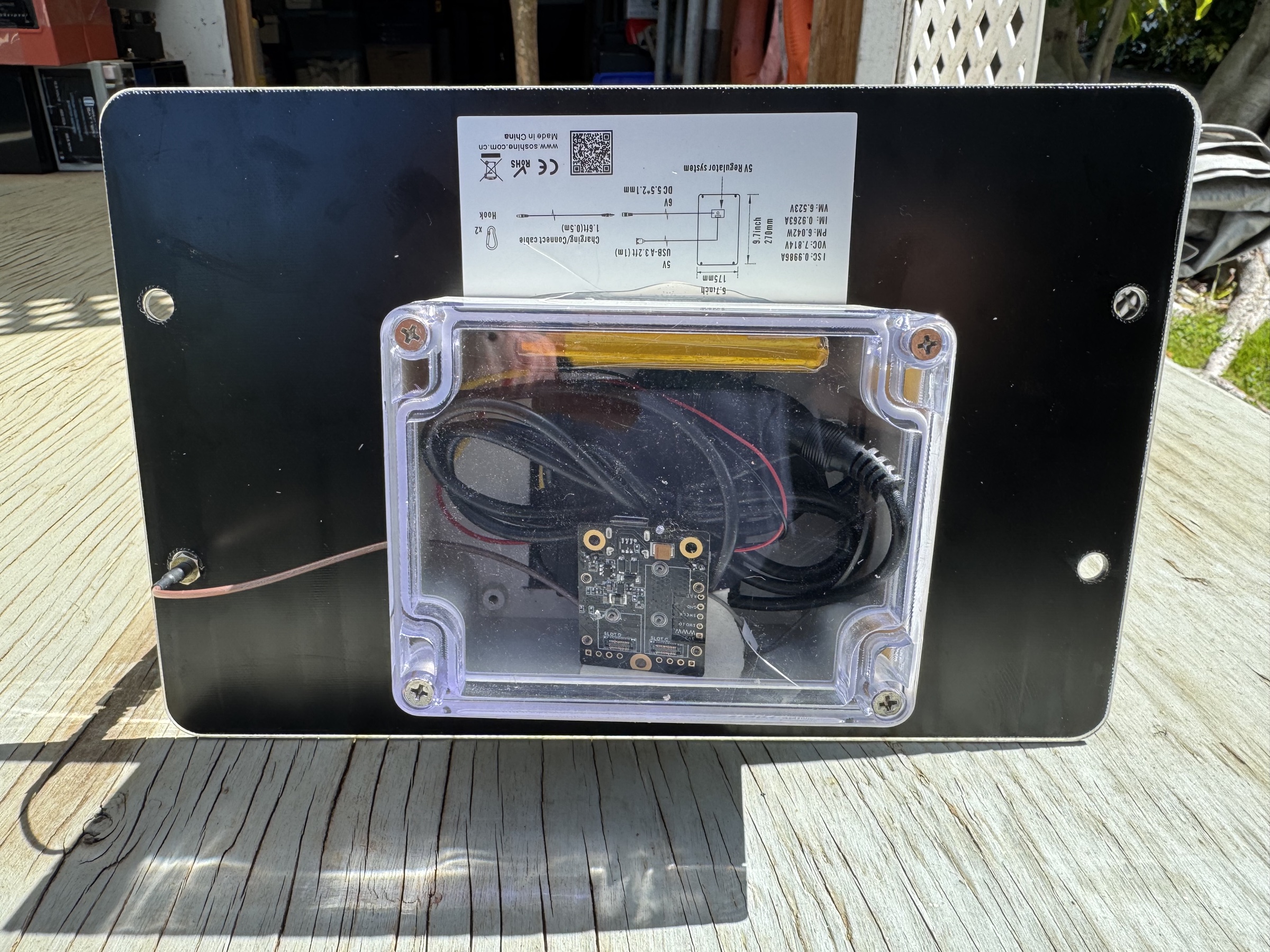
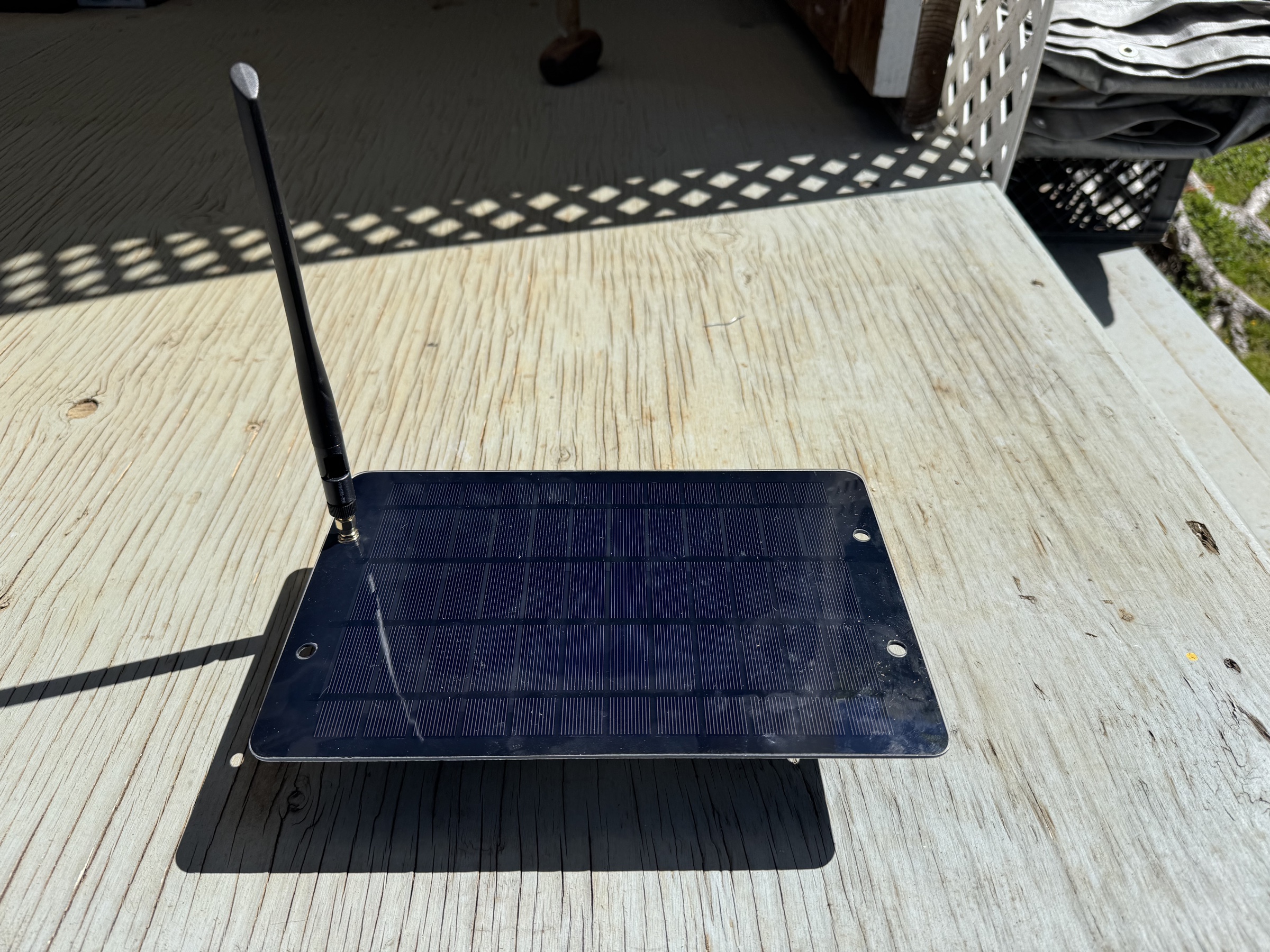
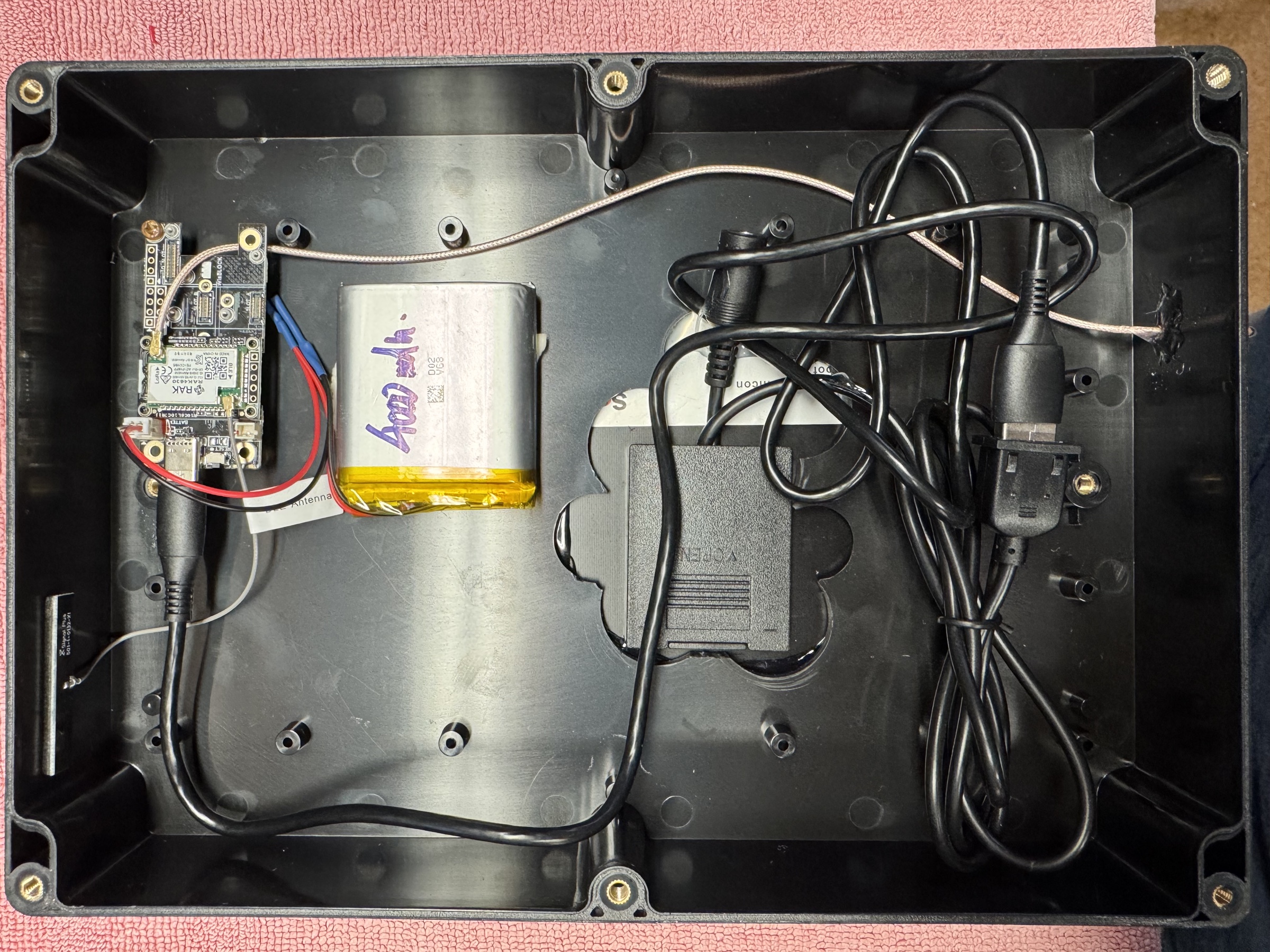
- Most reliable prototype so far. Note shading of unit
- n.b. this is a usb powered unit, which seems to charge the battery-ymmv
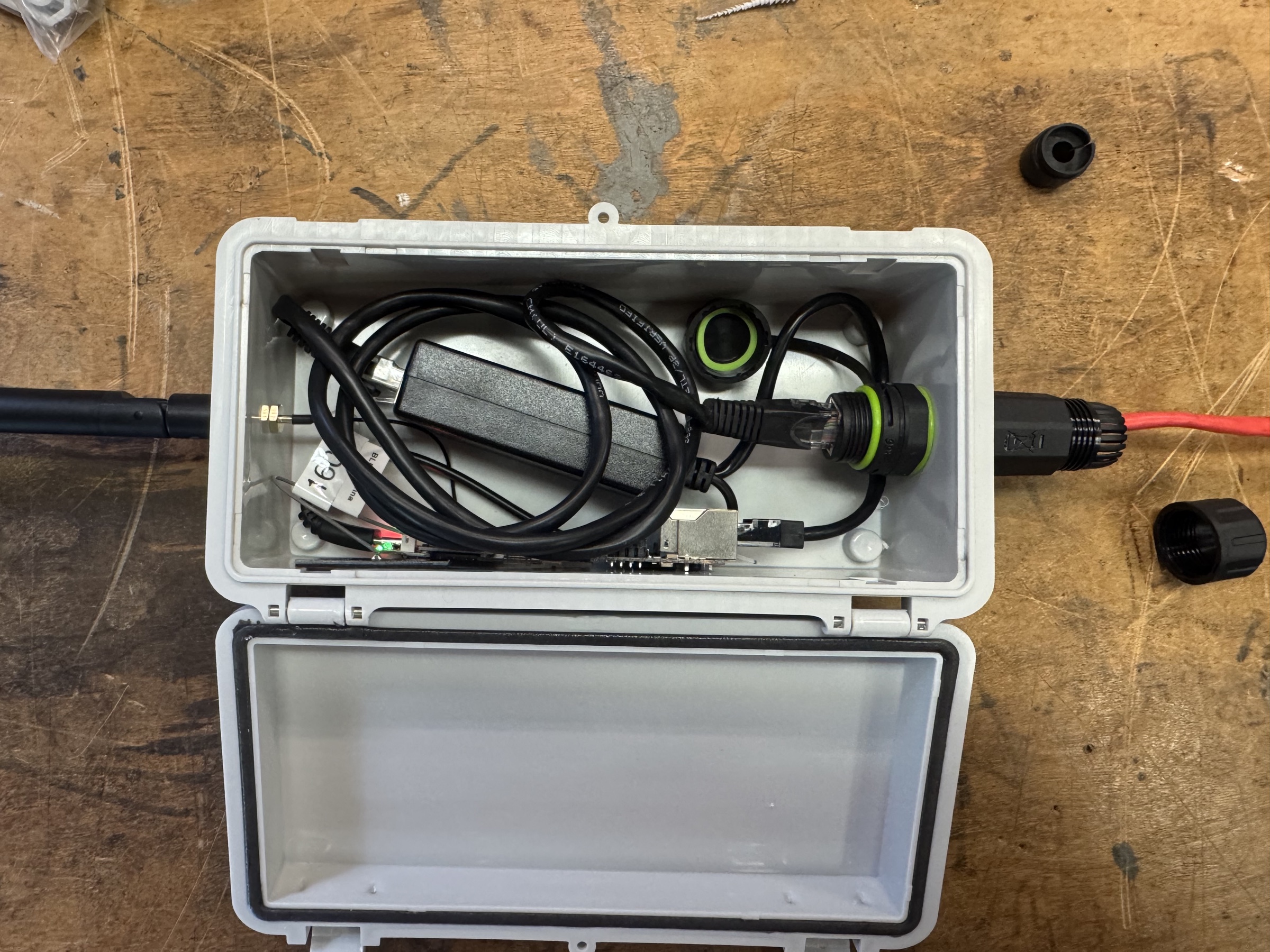
- Remote POE unit as an MQTT gateway.
- Later models include a Pi-HAT 30dB unit, linked to a unifi 5.8 gHz backhaul
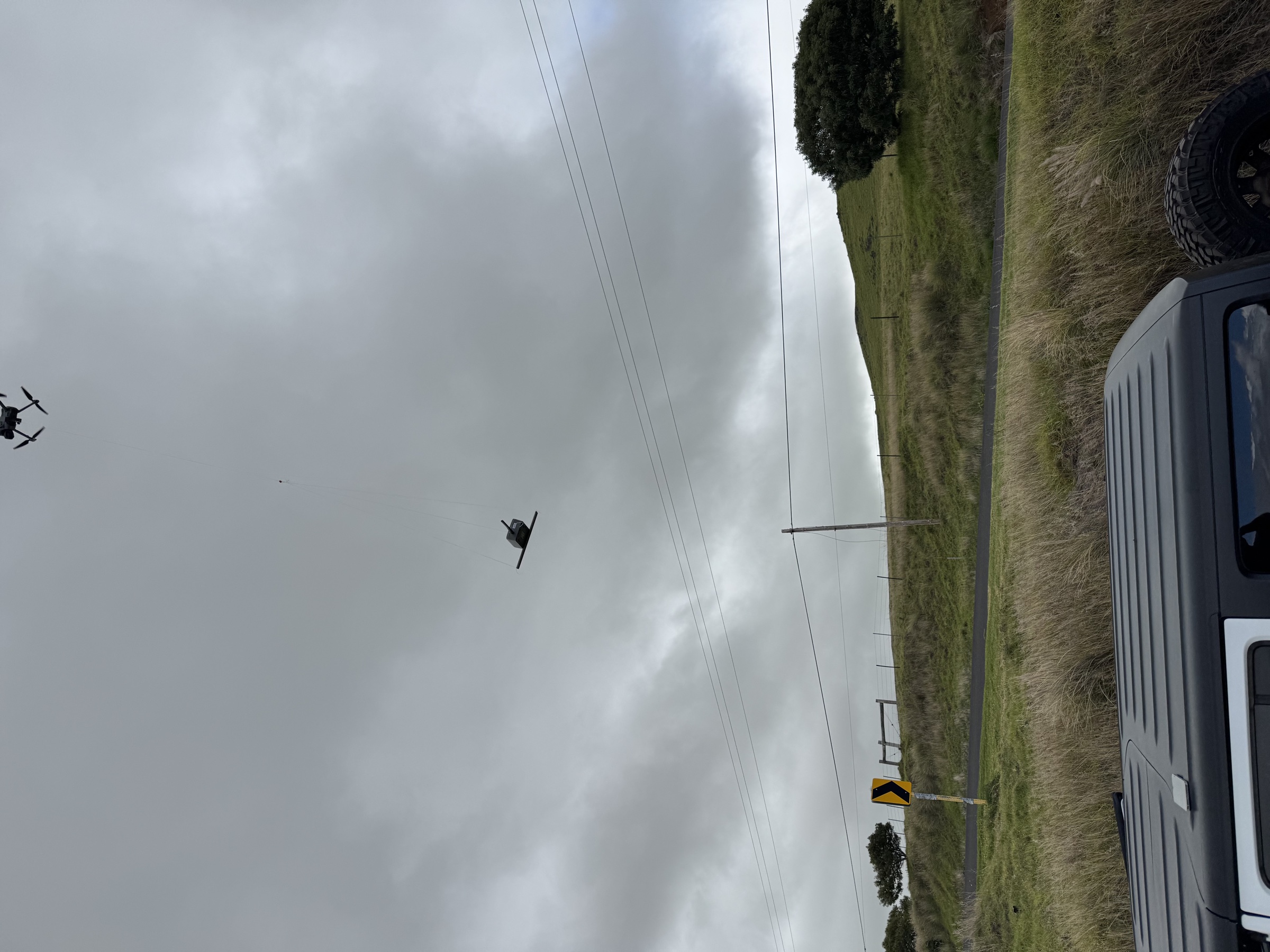
- Drone launched solar nodes, note iron rail for magnetic rescue/upgrades (see below)
- These were placed up to 12 miles away by drone, on mountaintops, or in wildfire areas as some included sensors linked by meshtastic
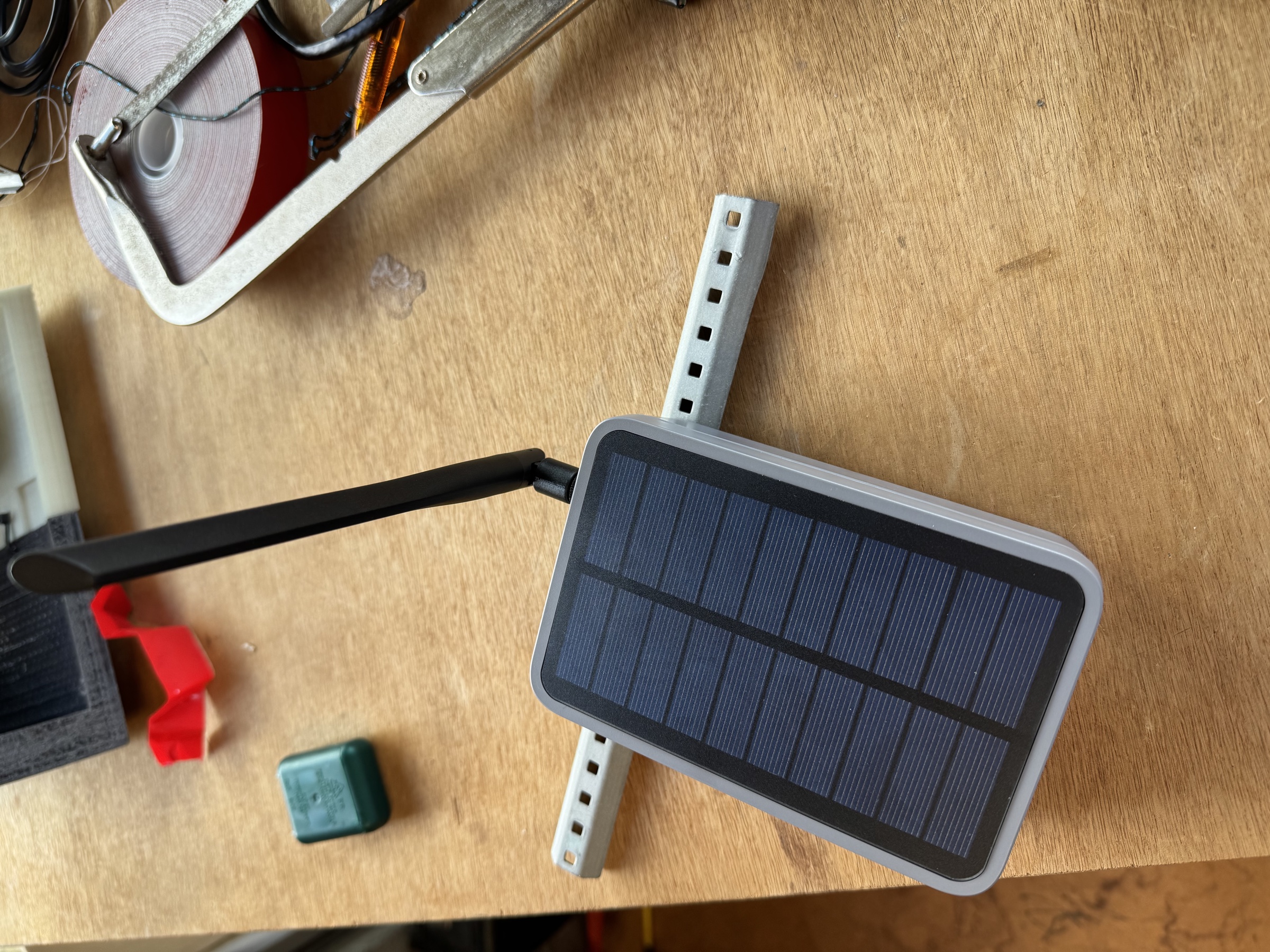
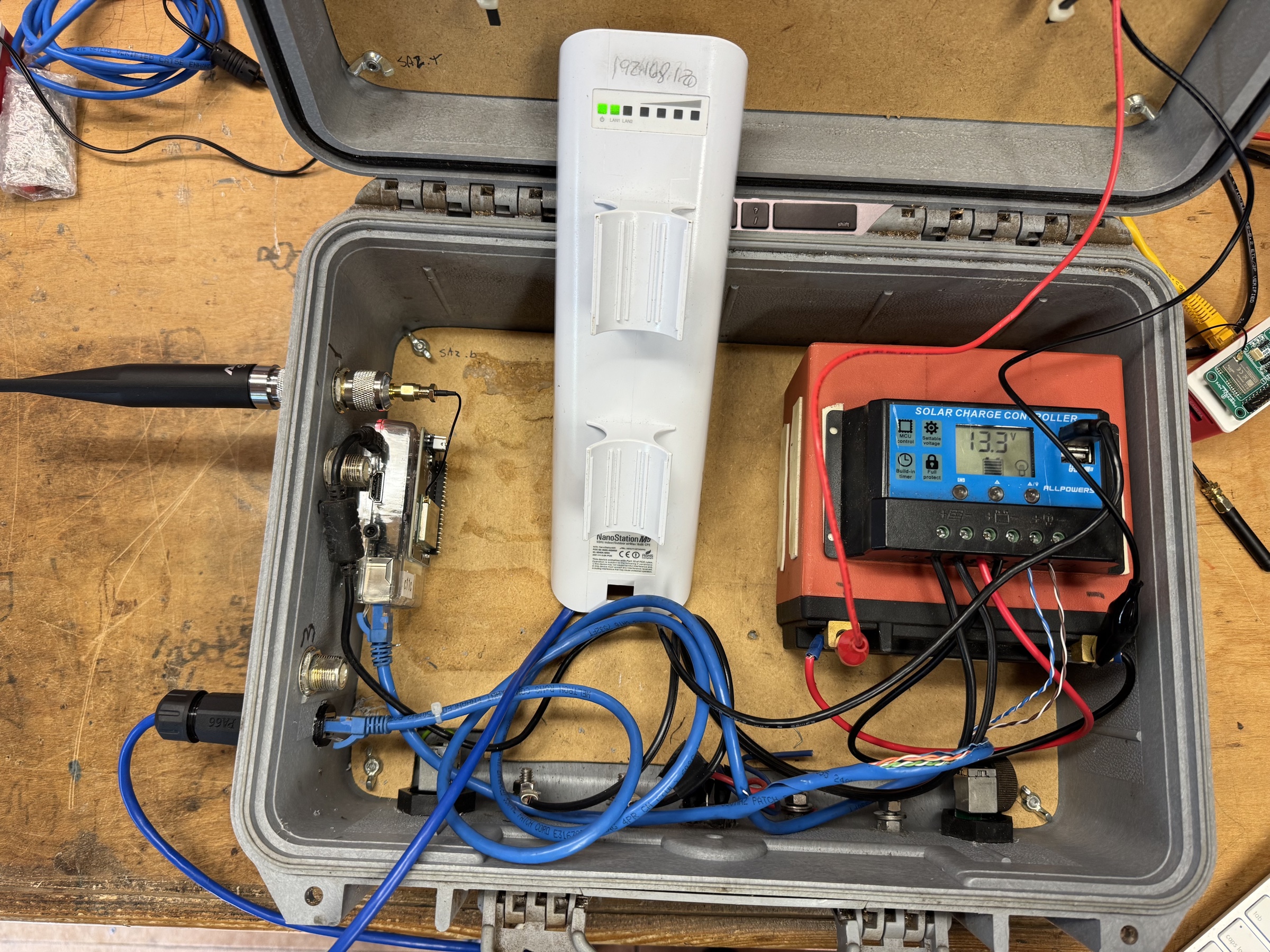
- 30dB portduino unit (pi HAT) with 5.8 gHz backhaul (older units still work with 12Vdc), solar charge controller in waterproof case.
- Note Alfa antenna for testing, later pole mounted with alfa then 8 dB omni
- blue POE cable is for unifi unit on pole
- very powerful router node with IP backbone for monitoring (meshsense) and control (meshtastic python cli)
Migrated from Apple WikiServer Wiki. Original page t6y6v88.ID: t6y6v88