
24.11.18: Biodiversity and evolution
Cengage chapter 5: biodiversity and evolution notes
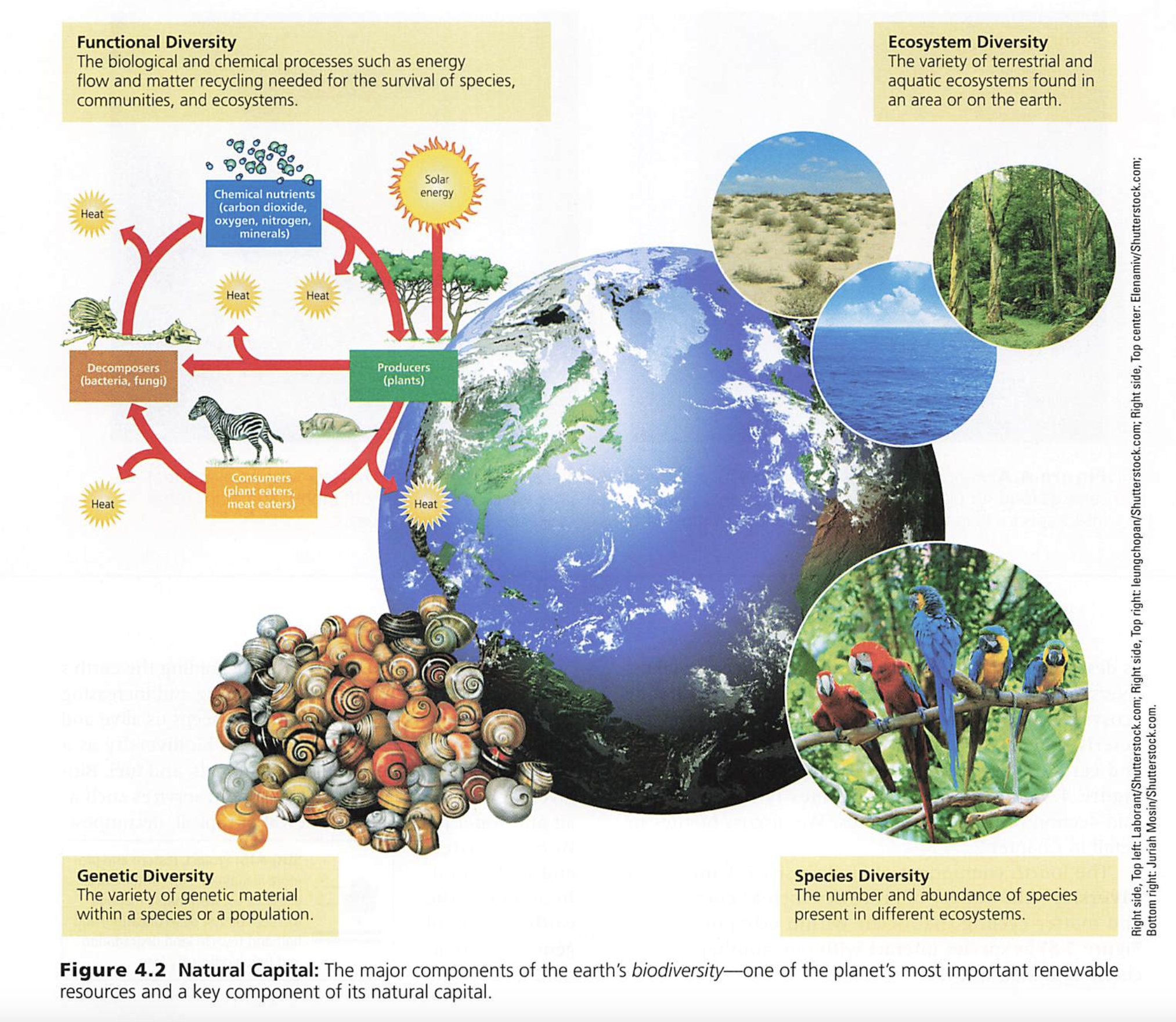
Four kinds of biodiversity: why we studied Shannon's index as a relative metric
- species diversity: number and abundance of species in an ecosystem
- genetic diversity: genetic variation within a species
- ecosystem diversity: number and abundance of biomes
- functional diversity: energy and matter flows, food chains and food webs
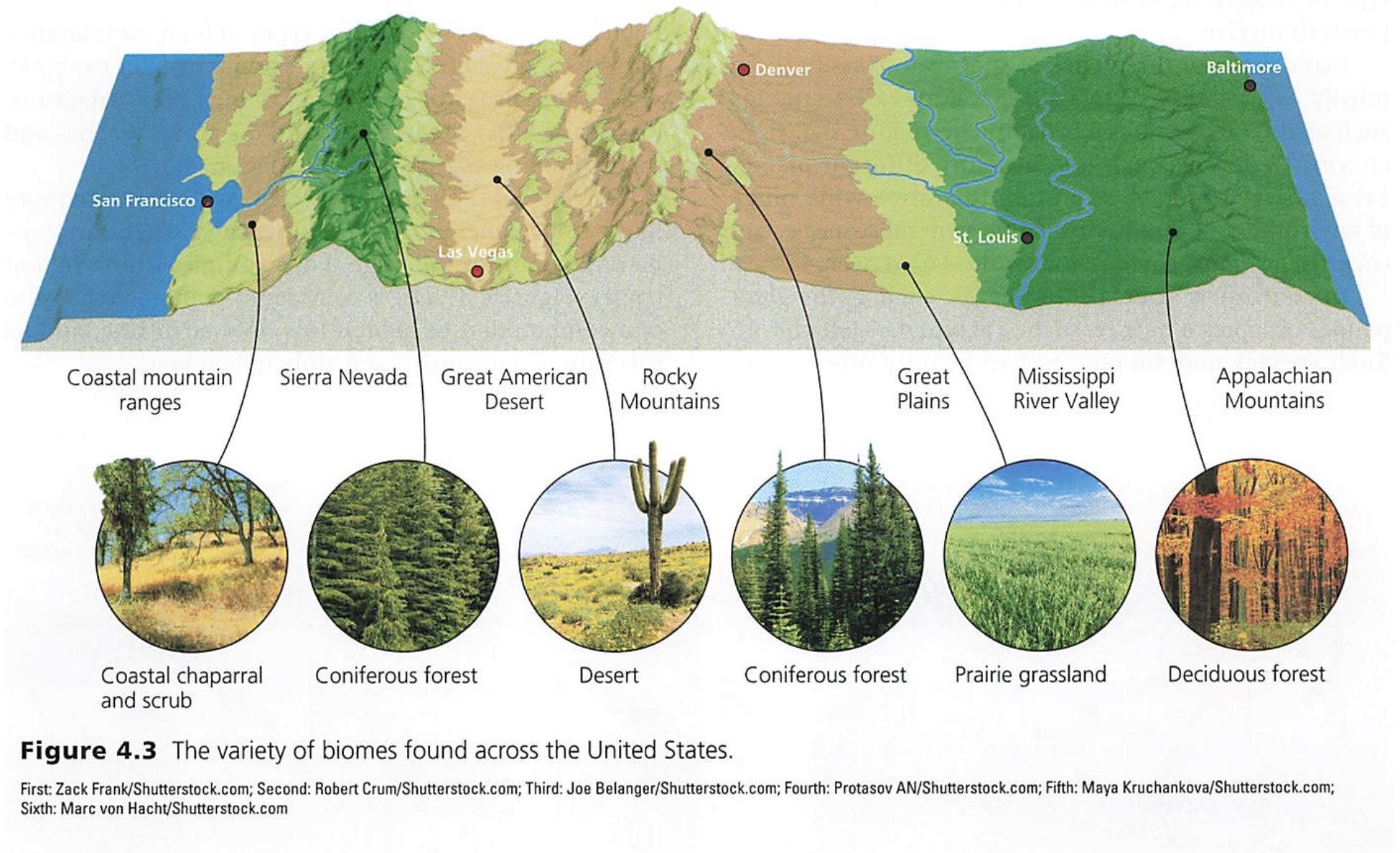
One example: biome diversity of North America:
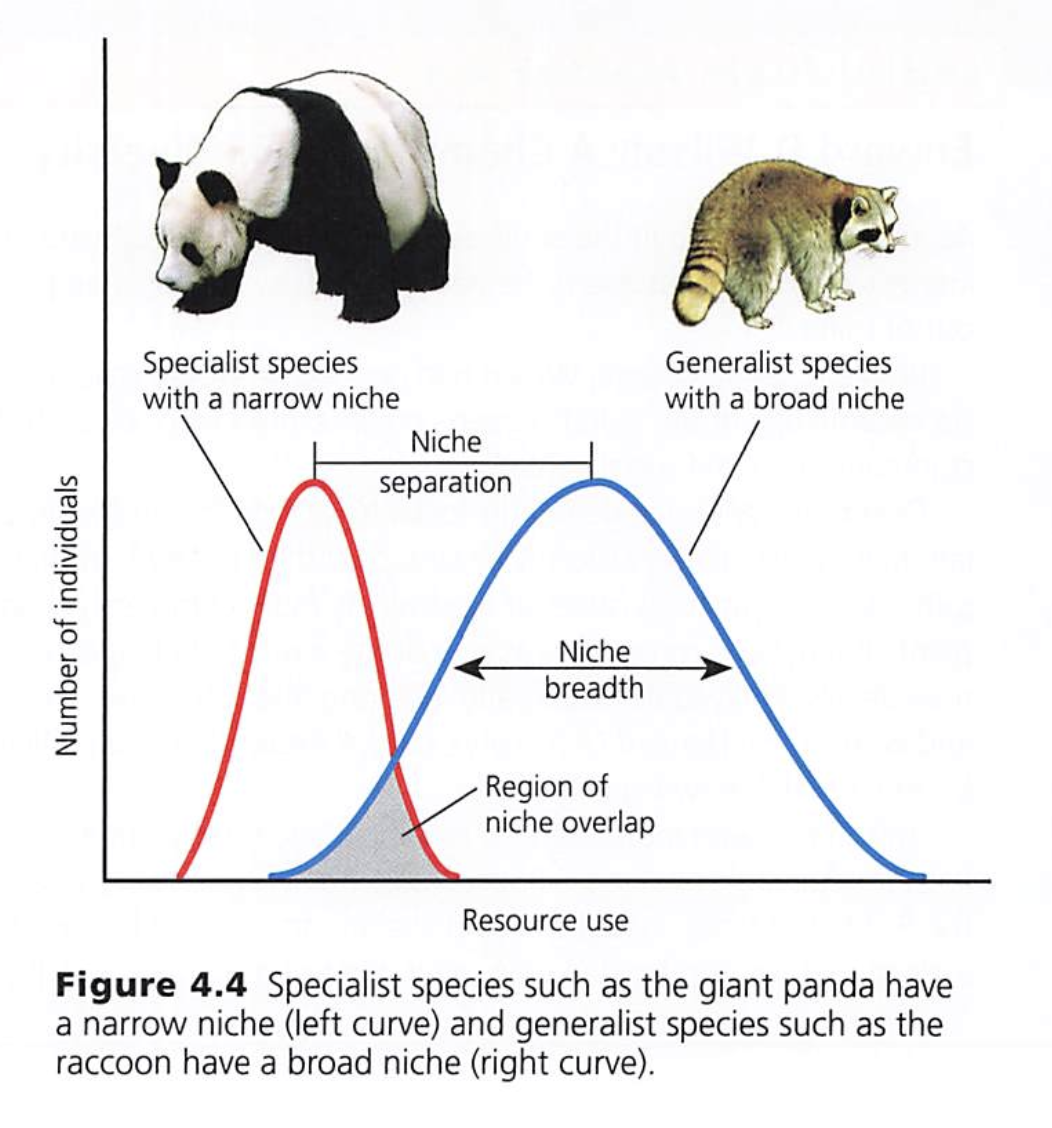
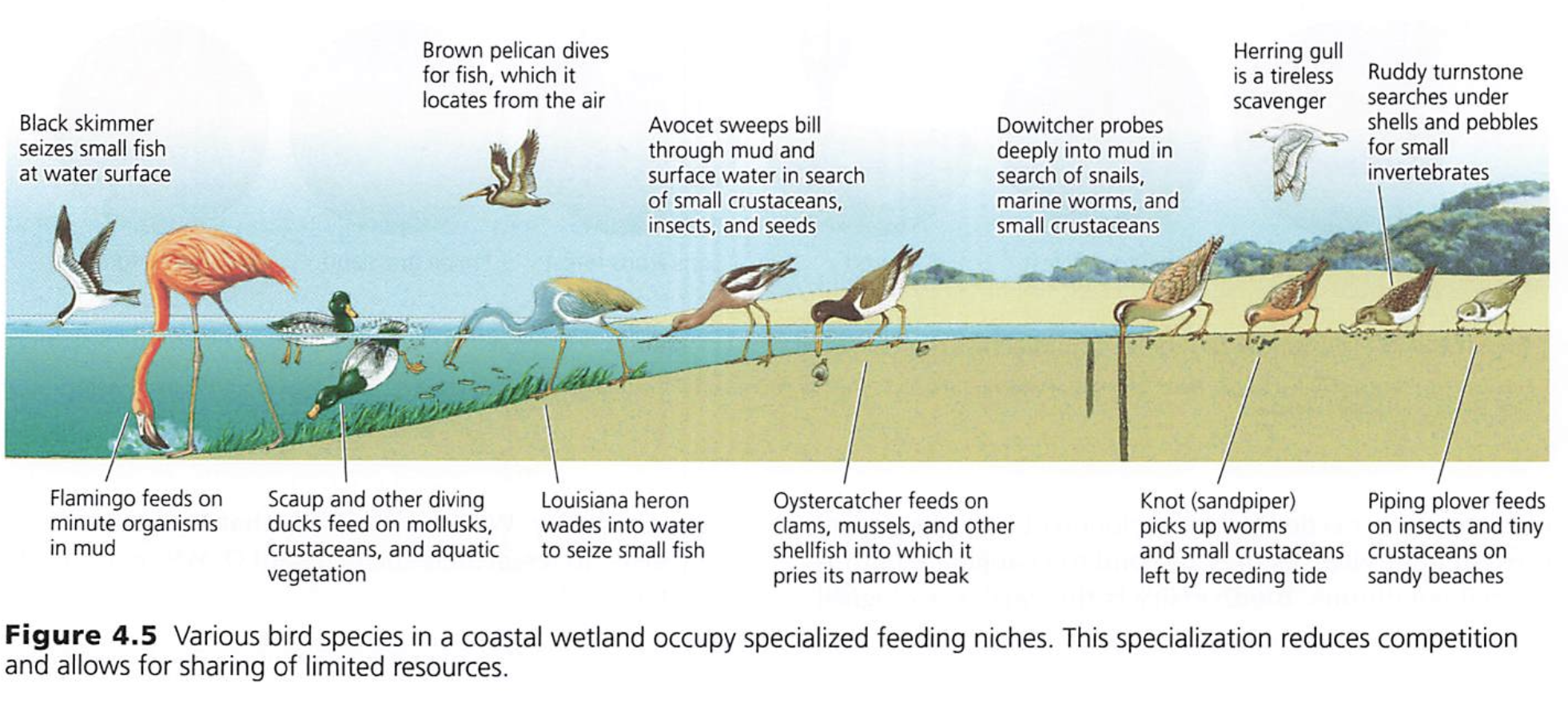
- ecological niche is not the same as habitat
- generalist: broad niche
- specialist: narrow niche
- Native species: normally live and thrive in an ecosystem
- non-native species: deliberately or accidentally introduced
- invasive species: compete with native species
- indicator species: biological smoke alarms
- keystone species: large effect on types and abundance of other species
- endemic species: only found in one place
Evolution: "biological evolution"
- natural selection: response to stress, three steps: variation, stress, survivor reproduction
- mutagens: cause mutations
Common myths about evolution:
Survival of the fittest means survival of the strongest.
To biologists, fitness is a measure of reproductive success, not strength. Thus, the fittest individuals are those that leave the most descendants, not those that are physically the strongest.
Evolution explains the origin of life.
It does not. However, it does explain how species evolved after life came into being around 3.8 billion years ago.
Humans evolved from apes or monkeys.
Fossil and other evidence shows that humans, apes, and monkeys evolved along different paths from a common ancestor that lived 5-8 million years ago.
Evolution by natural selection is part of a grand plan in nature in which species are to become more perfectly adapted.There is no evidence of such a plan.
Evolution by natural selection is not important because it is just a theory.
This reveals a misunderstanding of the concept of a scientific theory, which is based on extensive evidence and accepted widely by scientific experts in a particular field of study. Evolution by natural selection explains the earth's biodiversity and how populations of different species have adapted to changes in the earth's environmental conditions over billions of years.
How do species evolve?
Geographic speciation: separated, evolve for the new environment
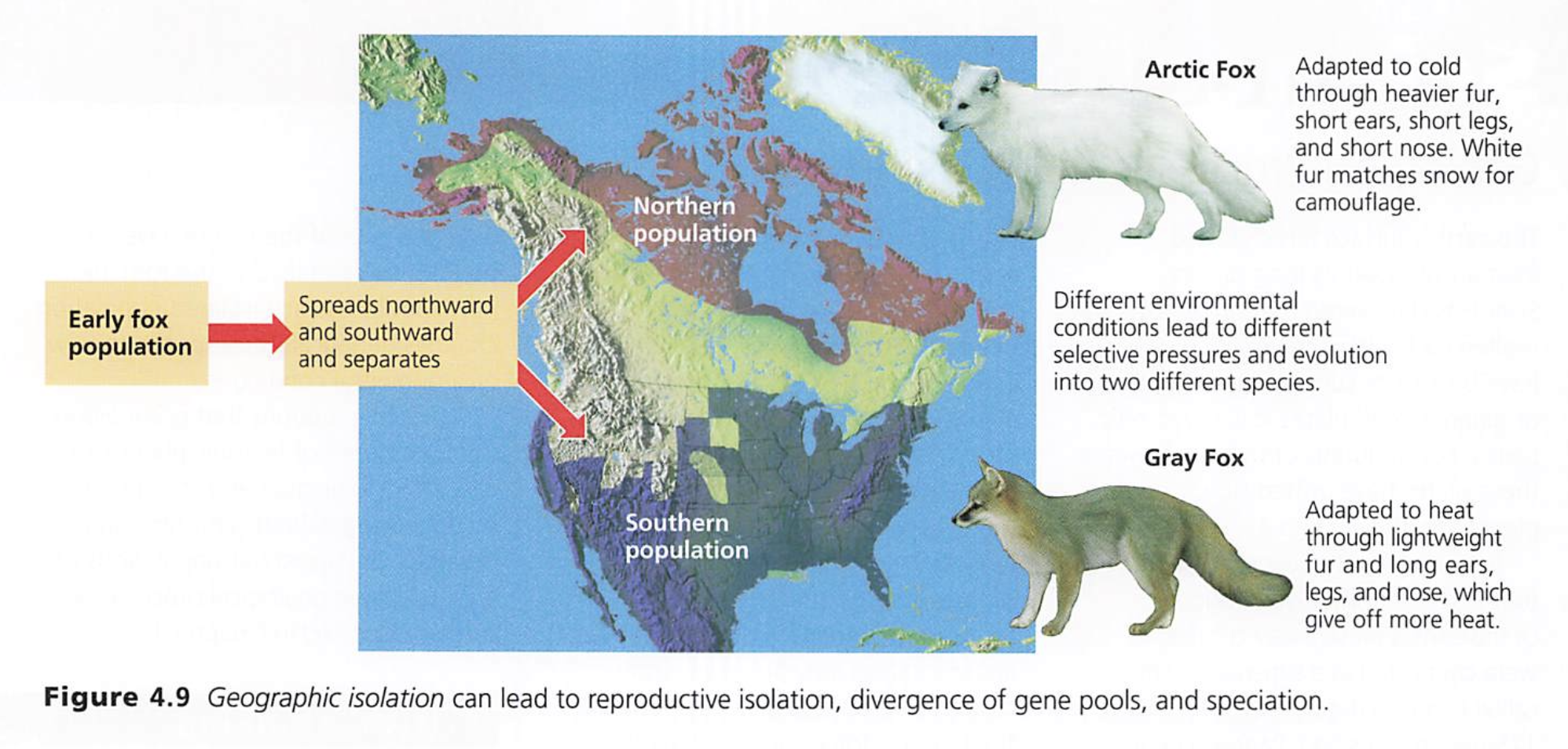
Reproductive speciation: in one place, but genetic variations favor new species by natural selection
Man made: artificial selection: selective breeding or cross breeding within a species (e.g.dogs)
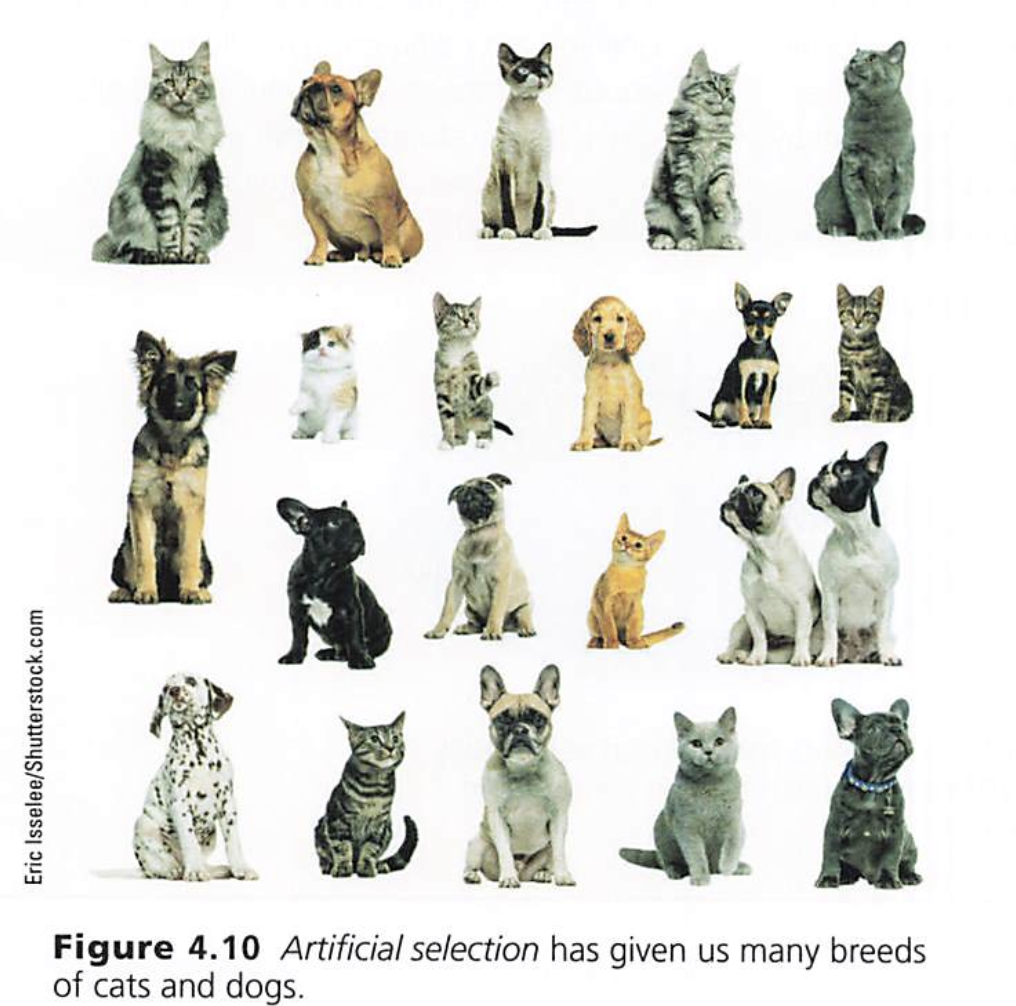
These are different from genetic engineering: cutting and splicing DNA, creating GMOs, genetically modified organisms
e.g. splicing cold water fish DNA into tomatoes so they don't freeze
Synthetic biology: not even starting with living things, creating from scratch
Synthetic biology: not even starting with living things, creating from scratch
Extinction:
endemic species: species only found in one place, vulnerable to extinction
Two types of extinction:
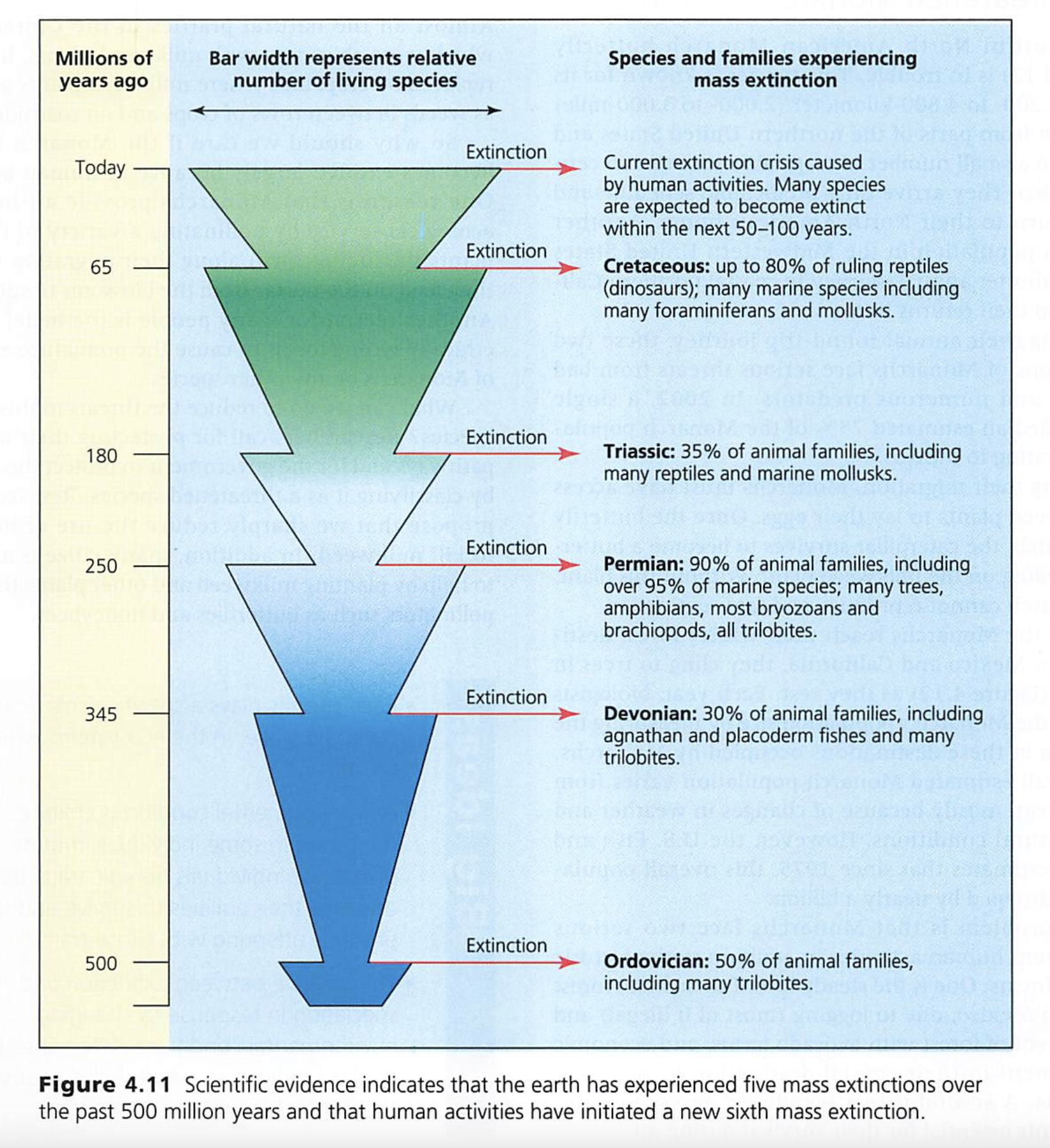
- background rate: natural
- mass extinction: massive events (see below)
Migrated from Apple Server Wiki. Original page ID: N7Y7x2v8